Overview
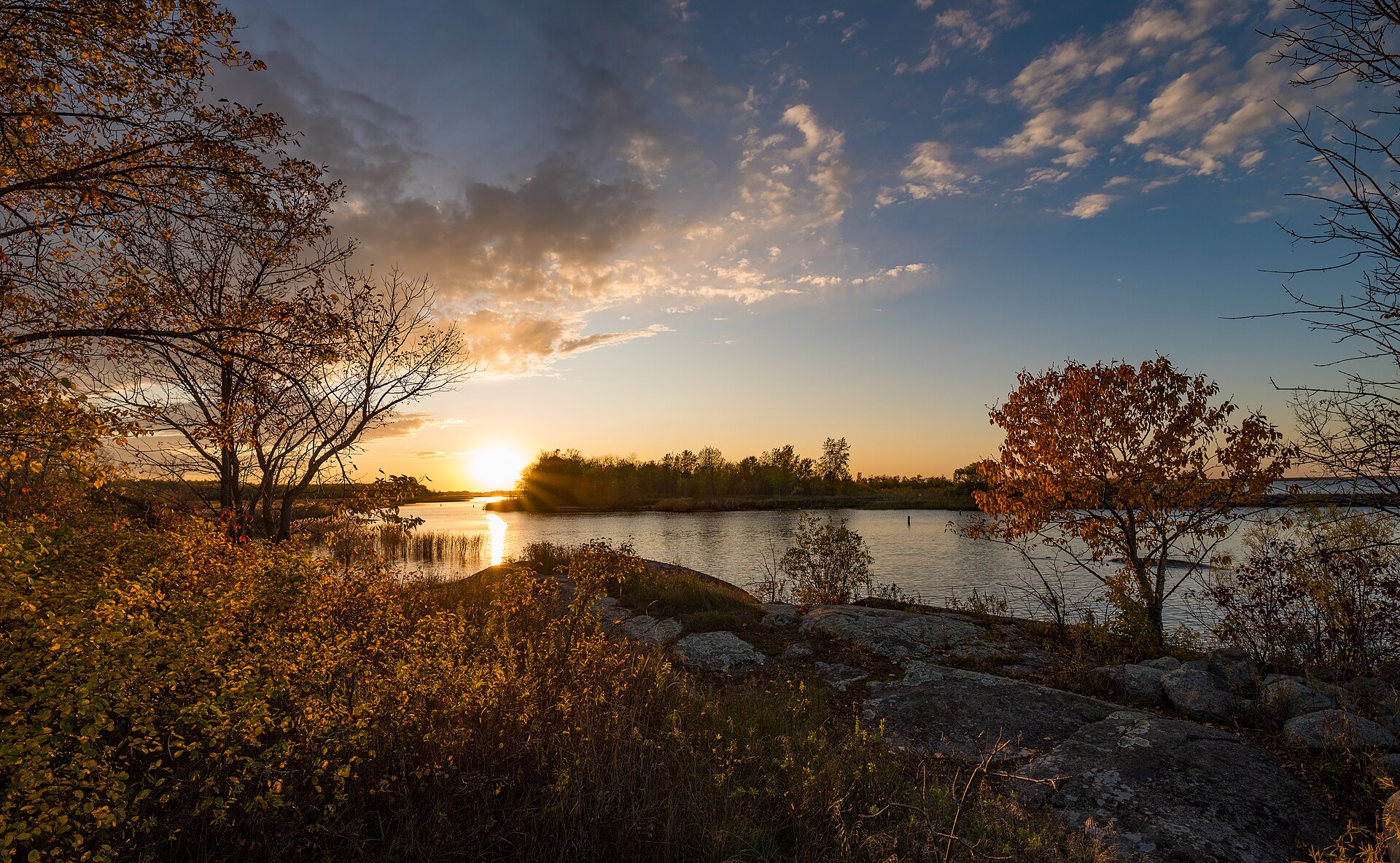
Birdwatching in Minnesota parks offers opportunities to observe a wide range of species across diverse natural habitats. From northern forests and freshwater lakes to prairie grasslands and river corridors, Minnesota’s public lands support both resident birds and seasonal migrations. Whether you’re an experienced birder or simply enjoy spotting wildlife on a hike, the state’s parks provide accessible viewing environments throughout the year.
Landscape
Minnesota’s varied geography creates ideal bird habitat across the state. Northern parks feature dense pine forests and wetlands that attract loons, warblers, and raptors. Central regions blend hardwood forests and lake systems, while southern parks preserve prairie landscapes and river valleys that support grassland species and migratory birds. Shorelines along Lake Superior and inland lakes provide additional habitat for waterfowl and shorebirds.
Recreation
Many Minnesota parks include quiet trails, boardwalks through wetlands, scenic overlooks, and shoreline access points well suited for birdwatching. Early mornings and migration seasons often provide the best viewing opportunities. Birdwatching pairs naturally with hiking, photography, and wildlife observation, and several parks offer interpretive programs focused on local ecosystems and conservation.
History
Conservation efforts within Minnesota’s park system have helped protect critical habitats for bird populations. Wetland restoration, forest management, and prairie preservation play important roles in supporting biodiversity. Indigenous knowledge and modern conservation practices continue to shape habitat stewardship across the state’s public lands.
Explore Minnesota’s Bird Habitats
From the call of loons on a quiet lake to migrating flocks crossing open prairie skies, Minnesota parks offer rewarding birdwatching experiences in every season. With protected habitats across the state, visitors can discover new species and enjoy peaceful moments in nature throughout the year.
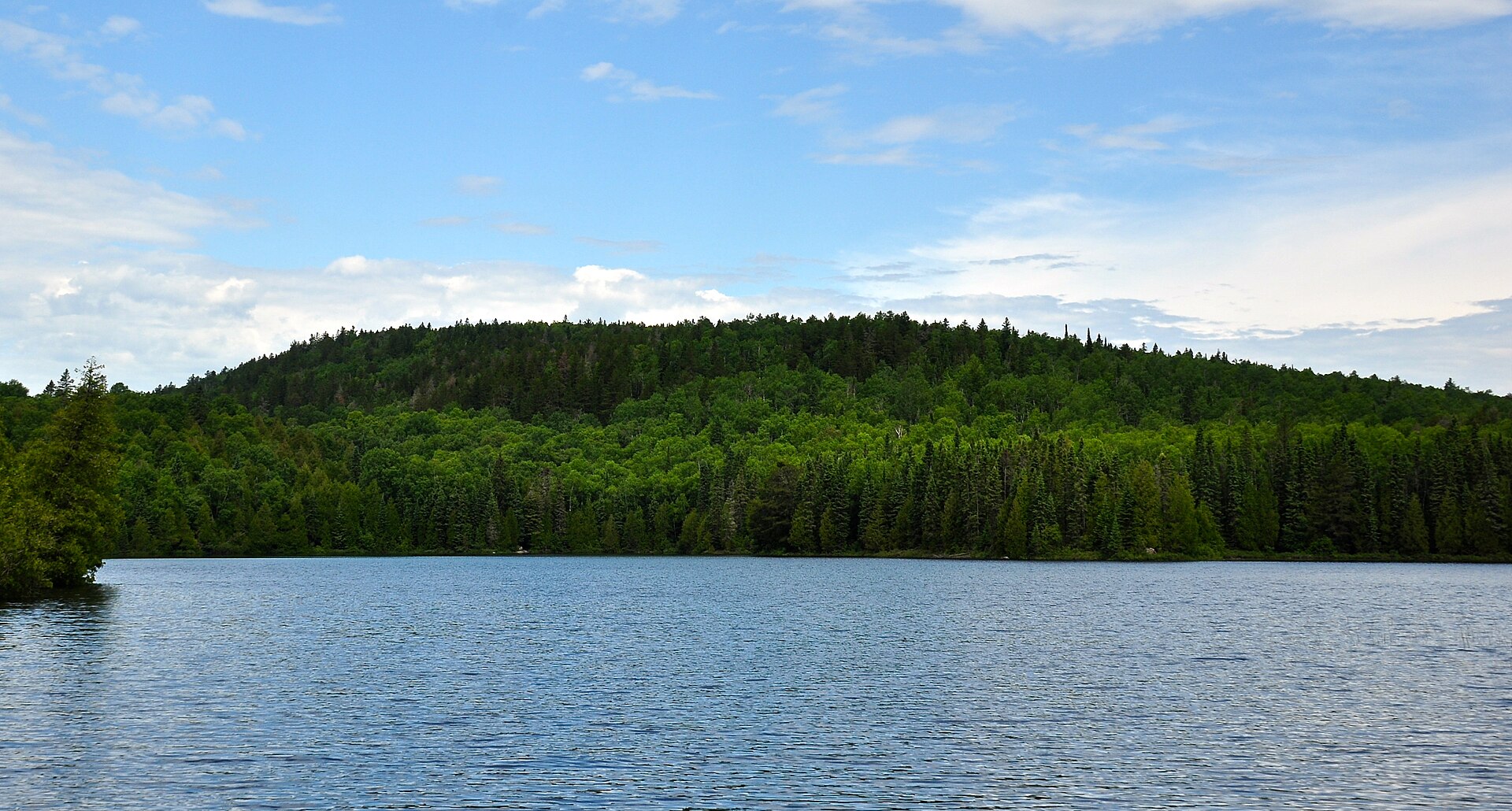
Superior National Forest
National Forest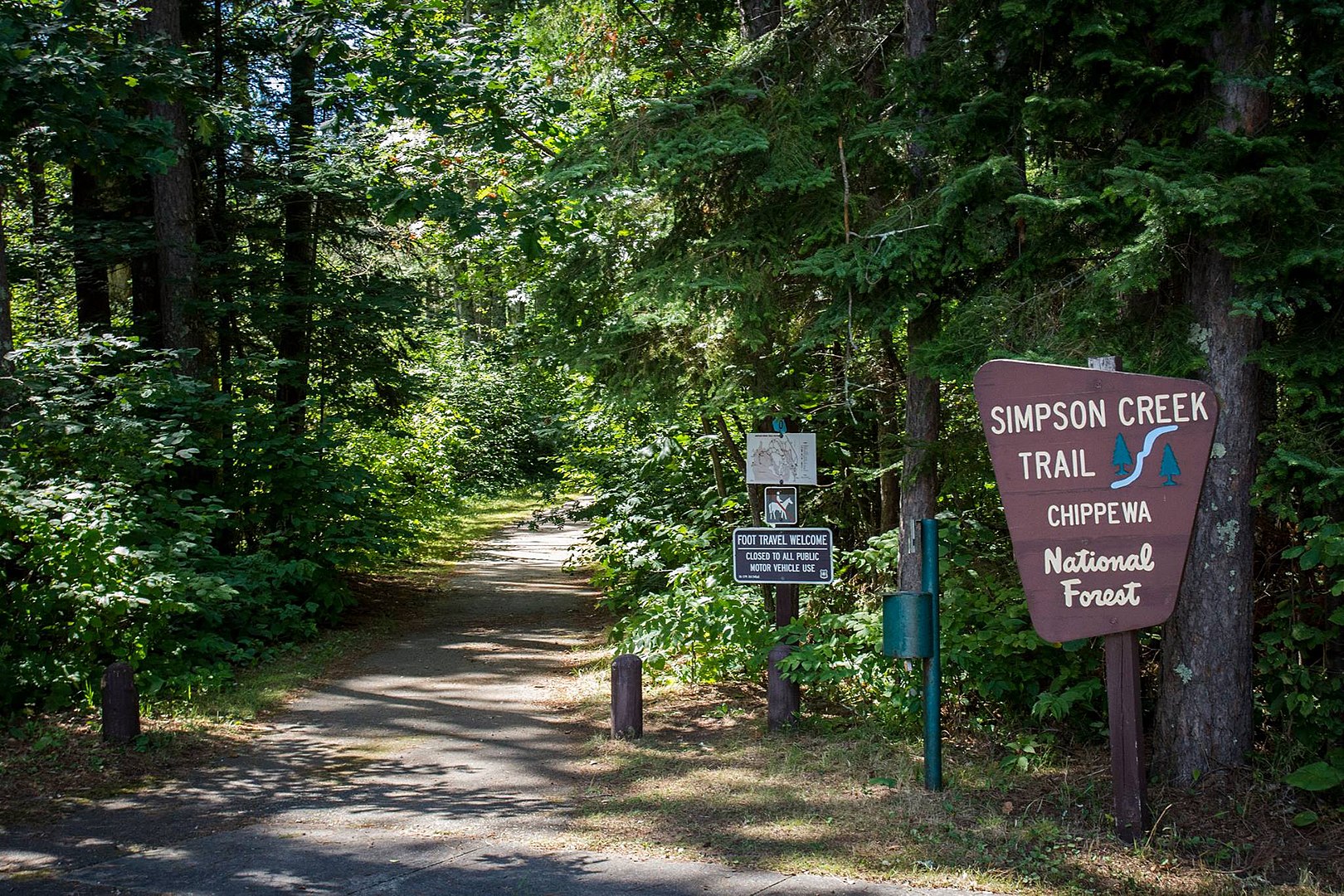
Chippewa National Forest
National Forest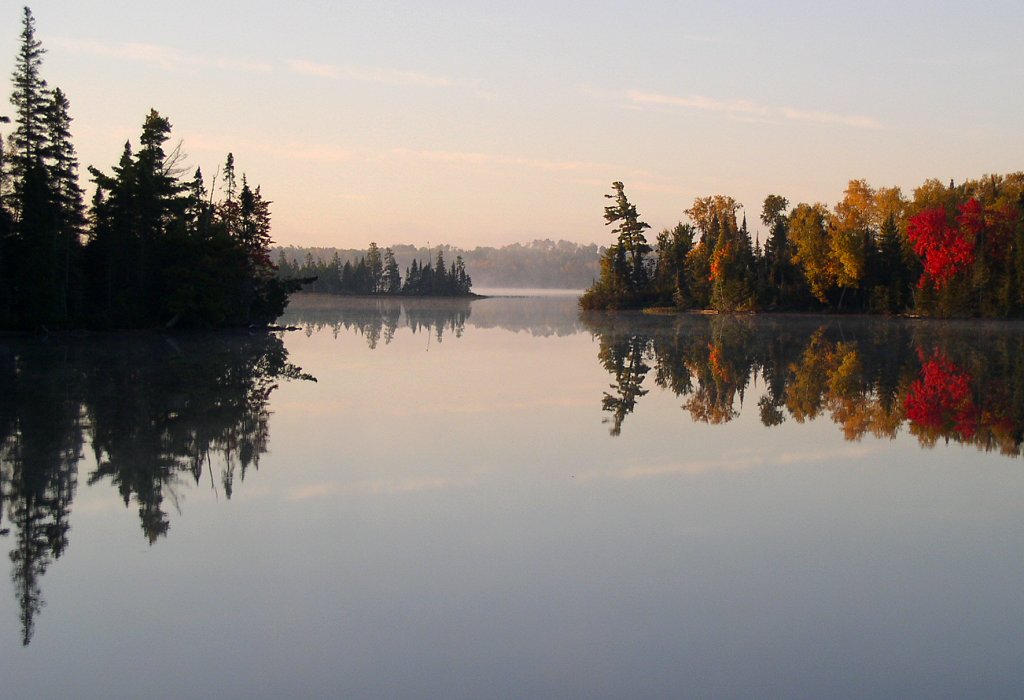
Bear Head Lake State Park
State Park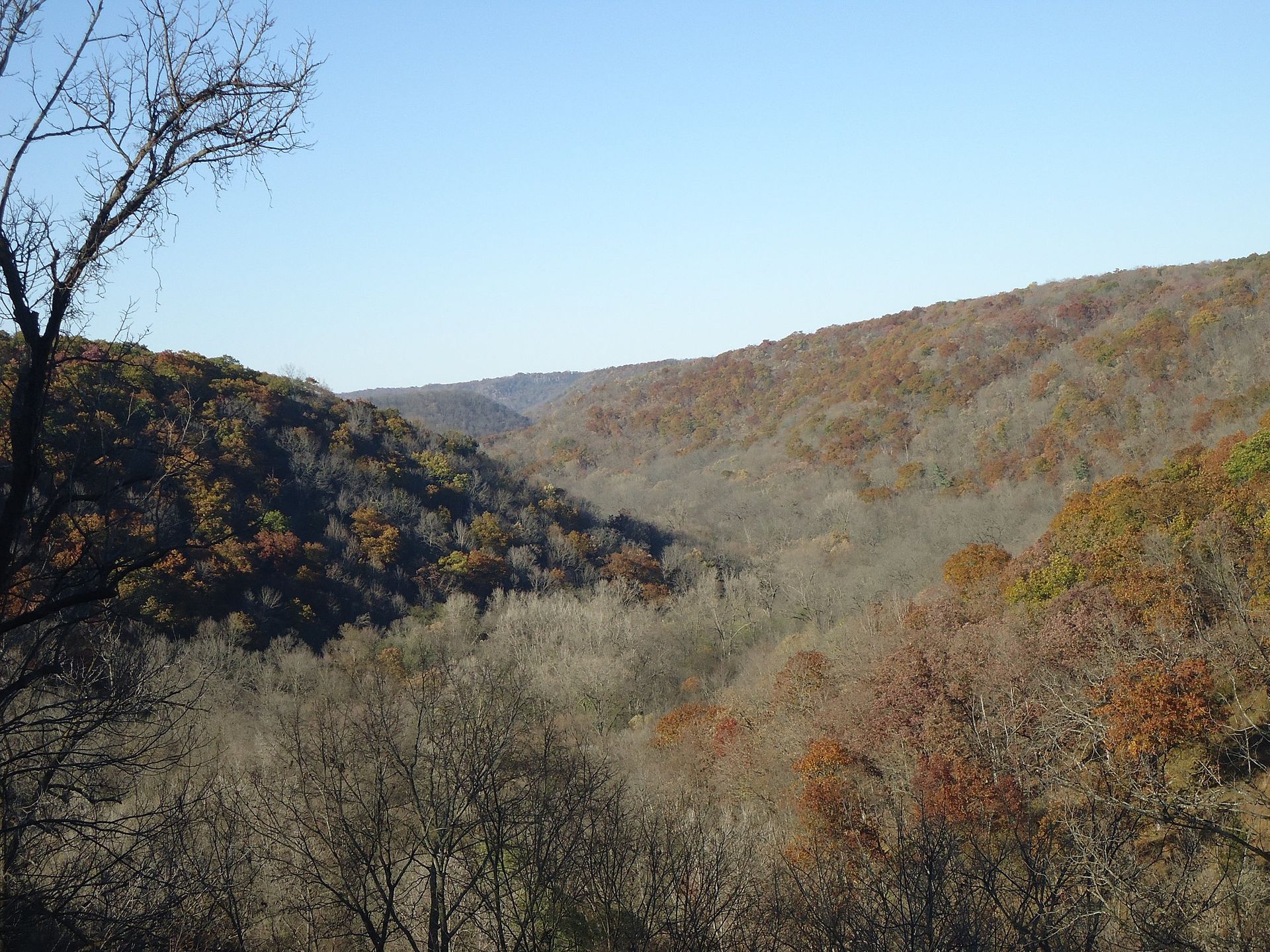
Beaver Creek Valley State Park
State Park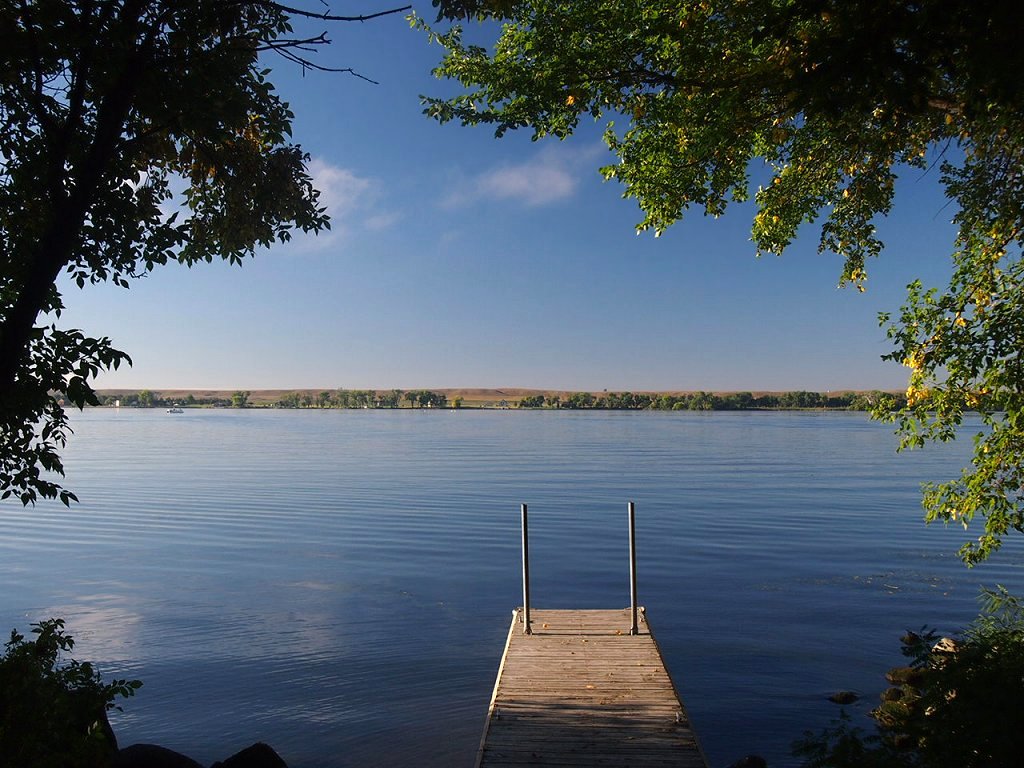
Big Stone Lake State Park
State Park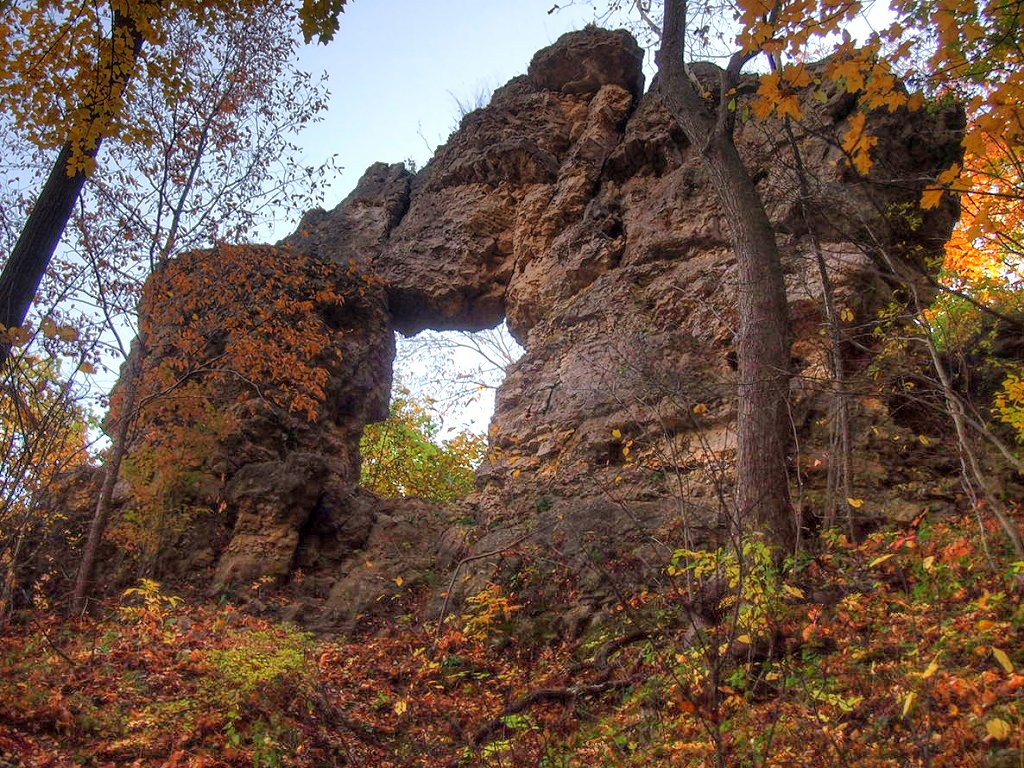
Frontenac State Park
State Park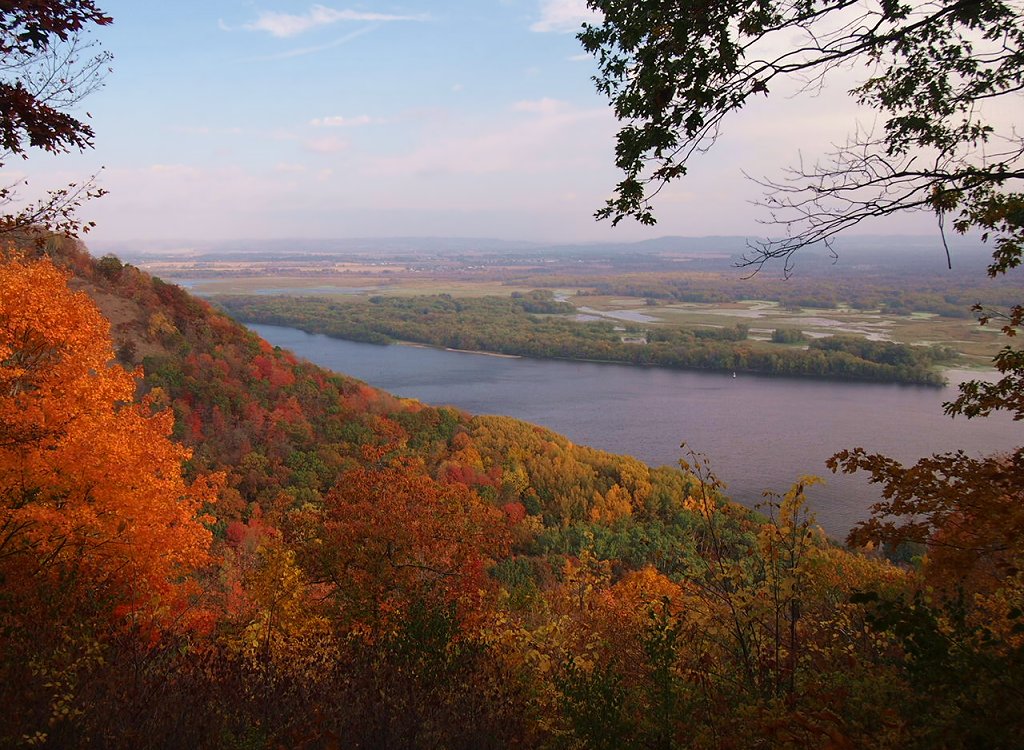
Great River Bluffs State Park
State Park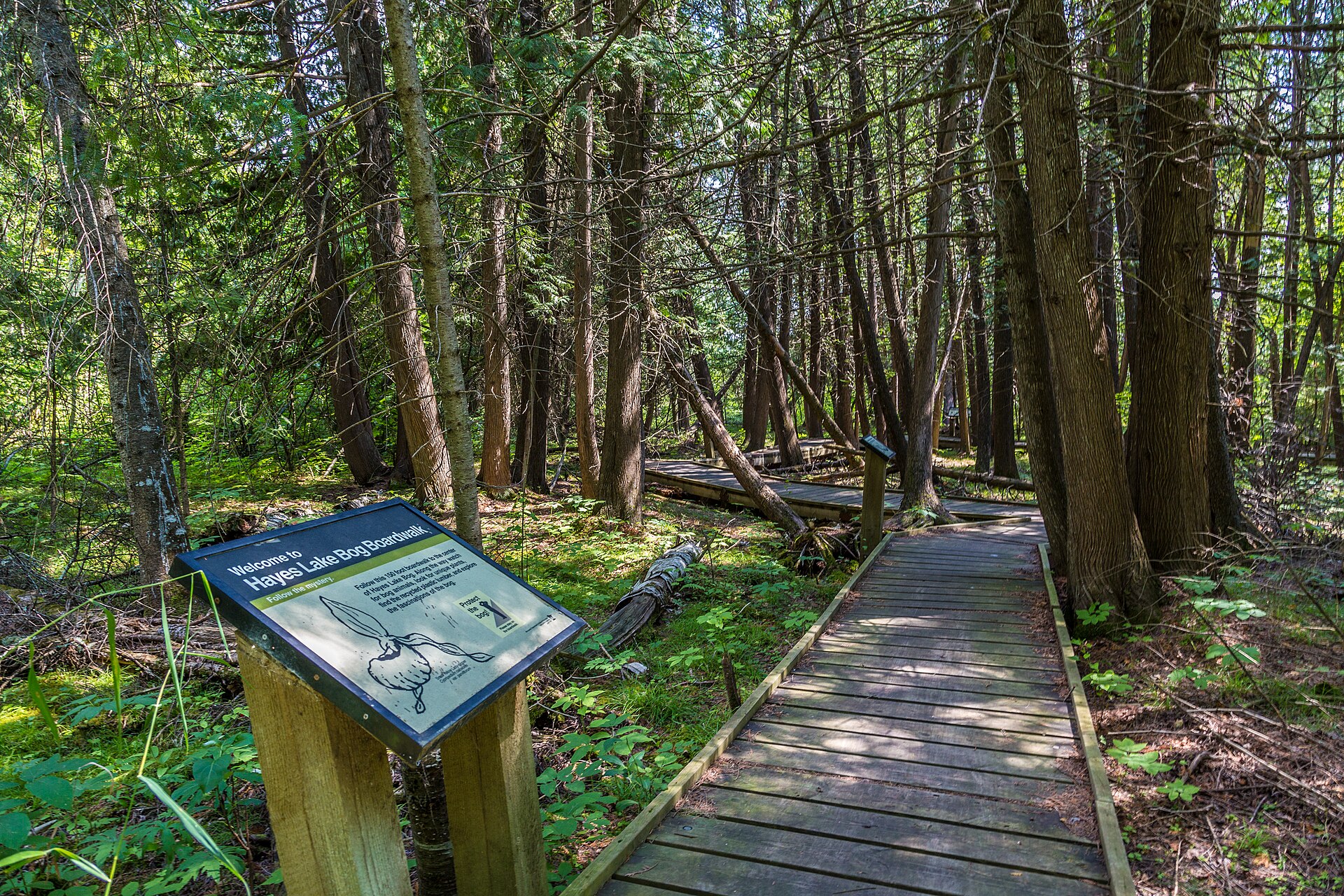
Hayes Lake State Park
State Park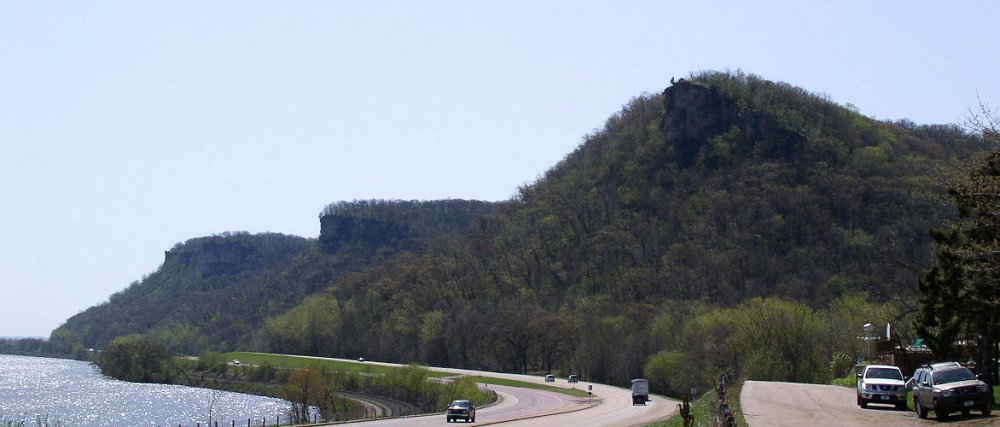
John A. Latsch State Park
State Park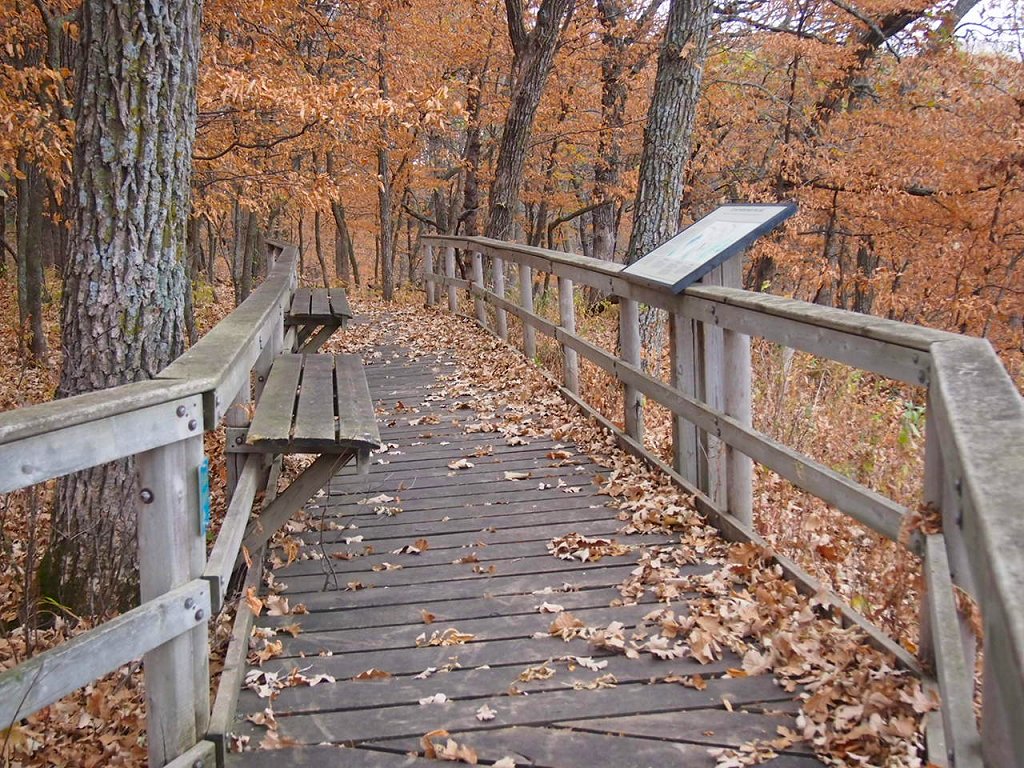
Kilen Woods State Park
State Park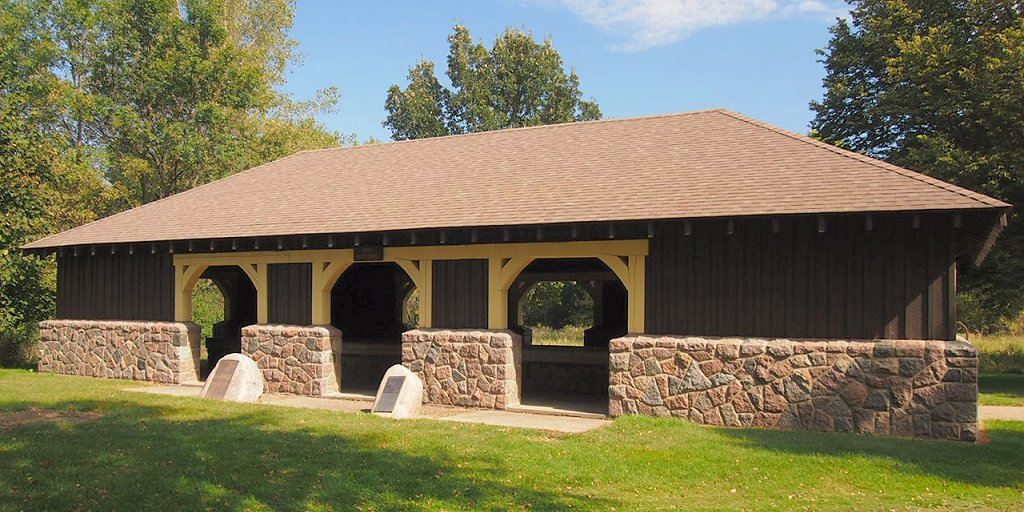
Lac qui Parle State Park
State Park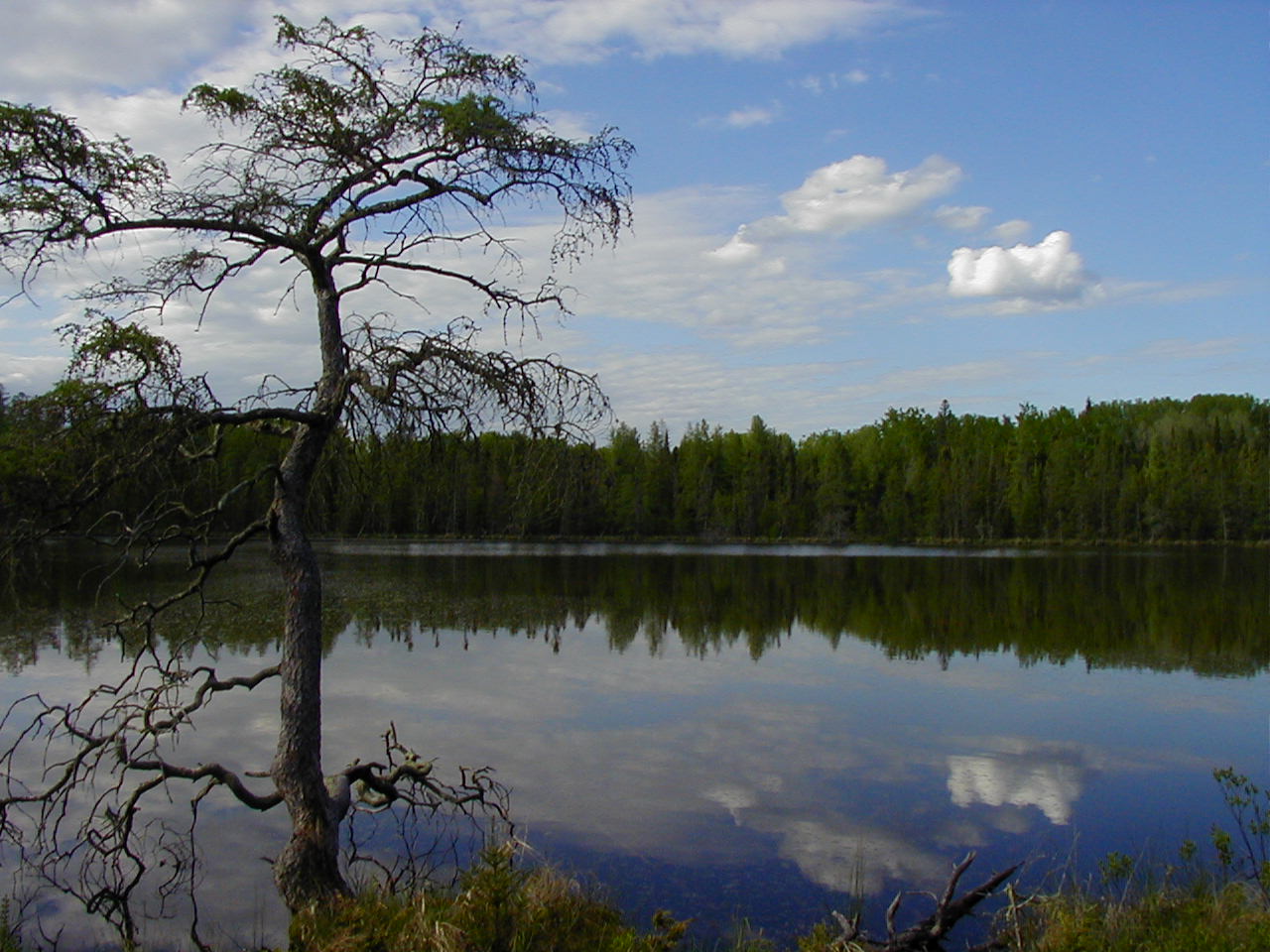
Lake Bemidji State Park
State Park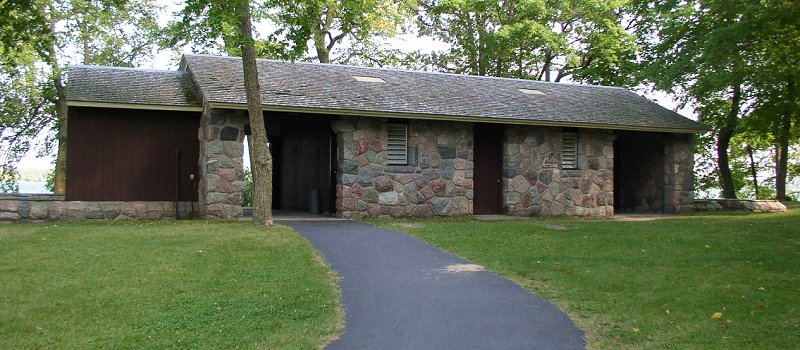
Lake Carlos State Park
State Park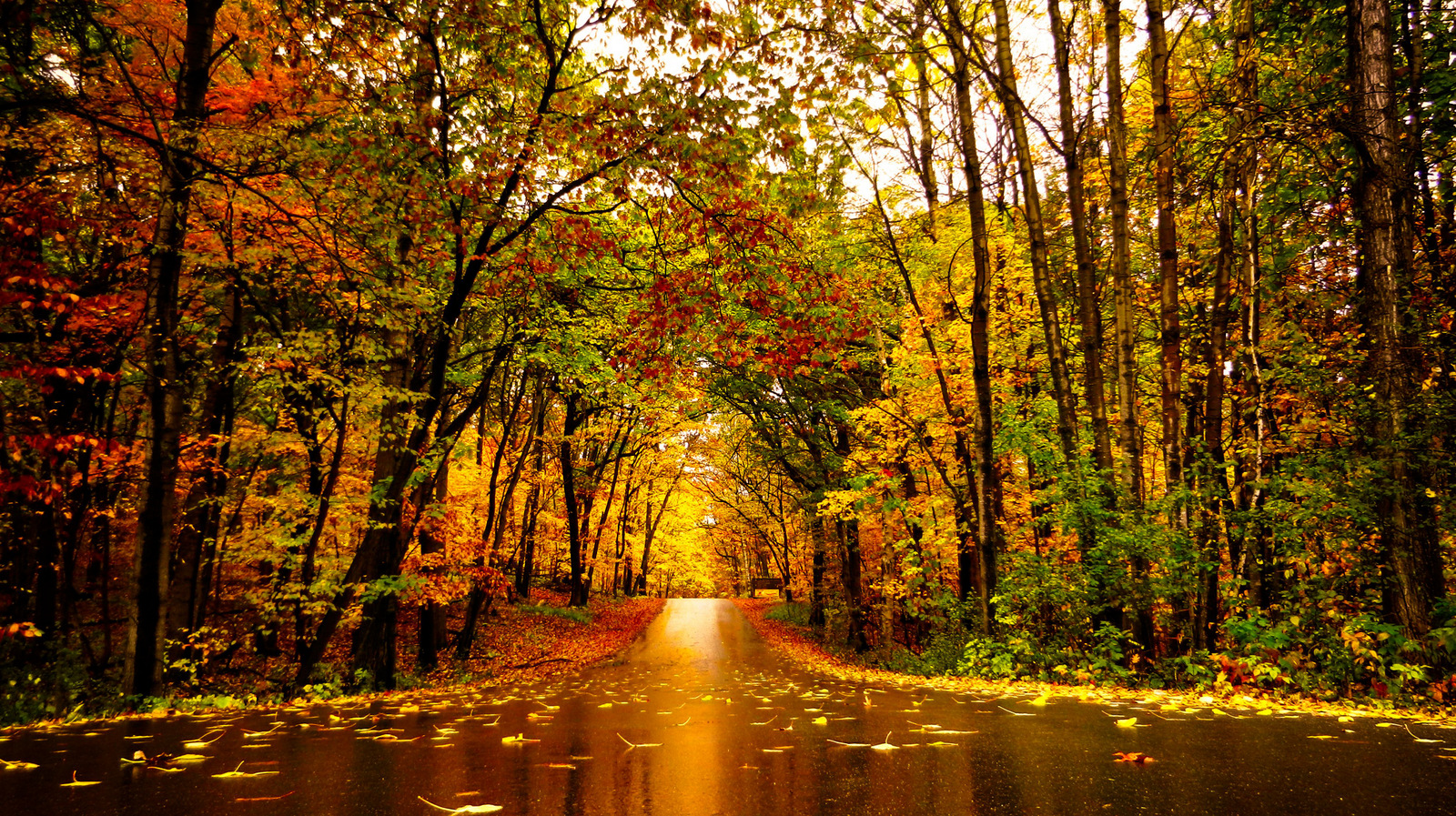
Lake Maria State Park
State Park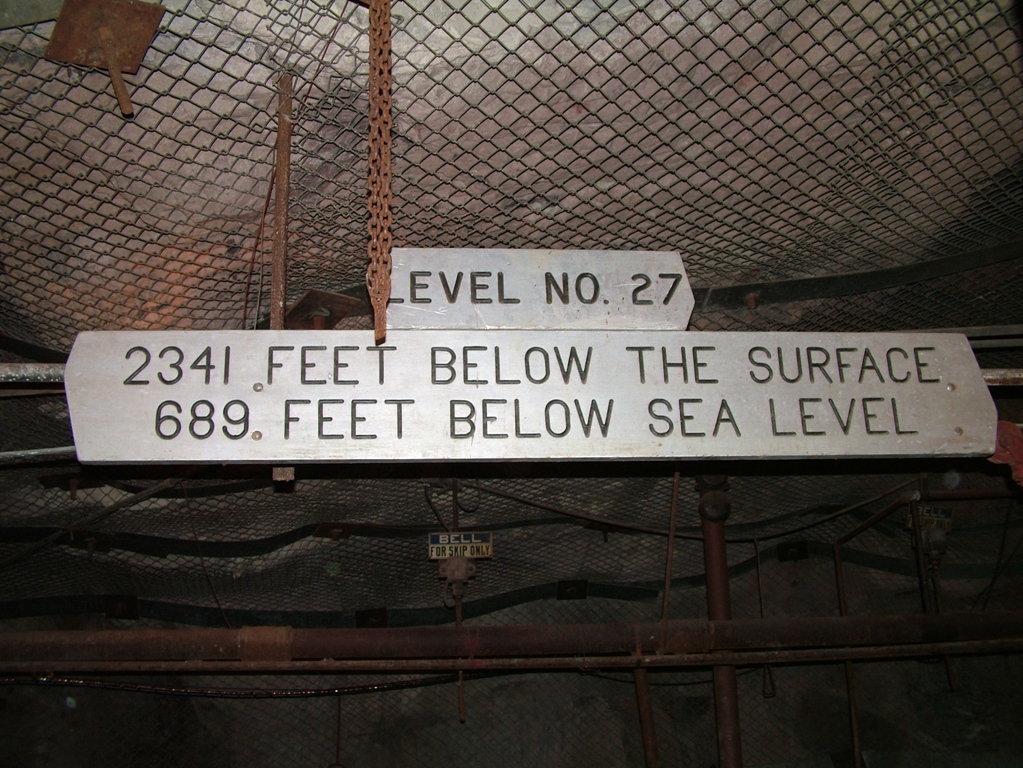
Lake Vermilion-Soudan Underground Mine State Park
State Park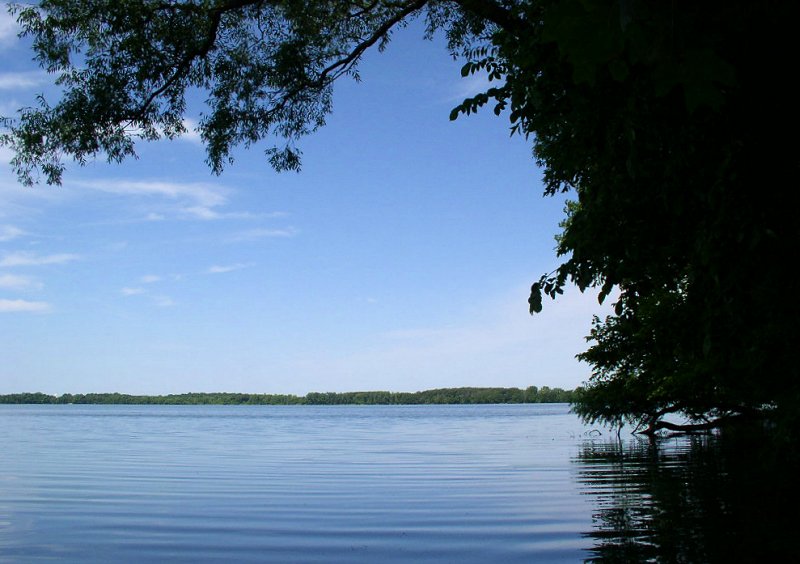
Myre-Big Island State Park
State Park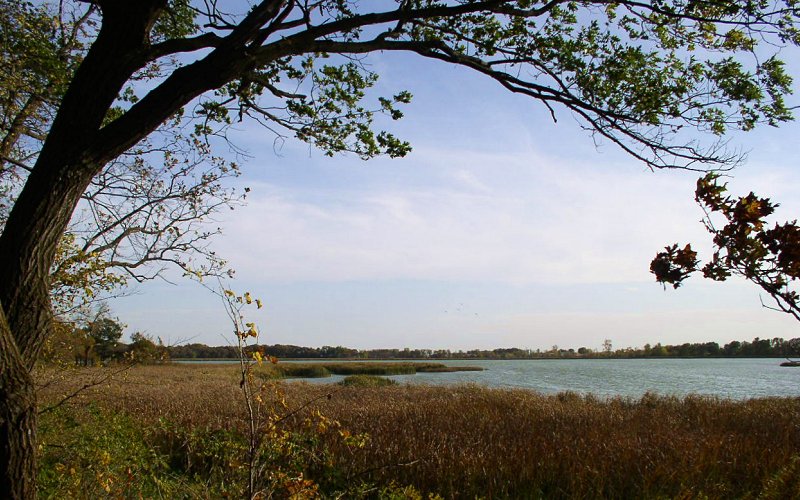
Rice Lake State Park
State Park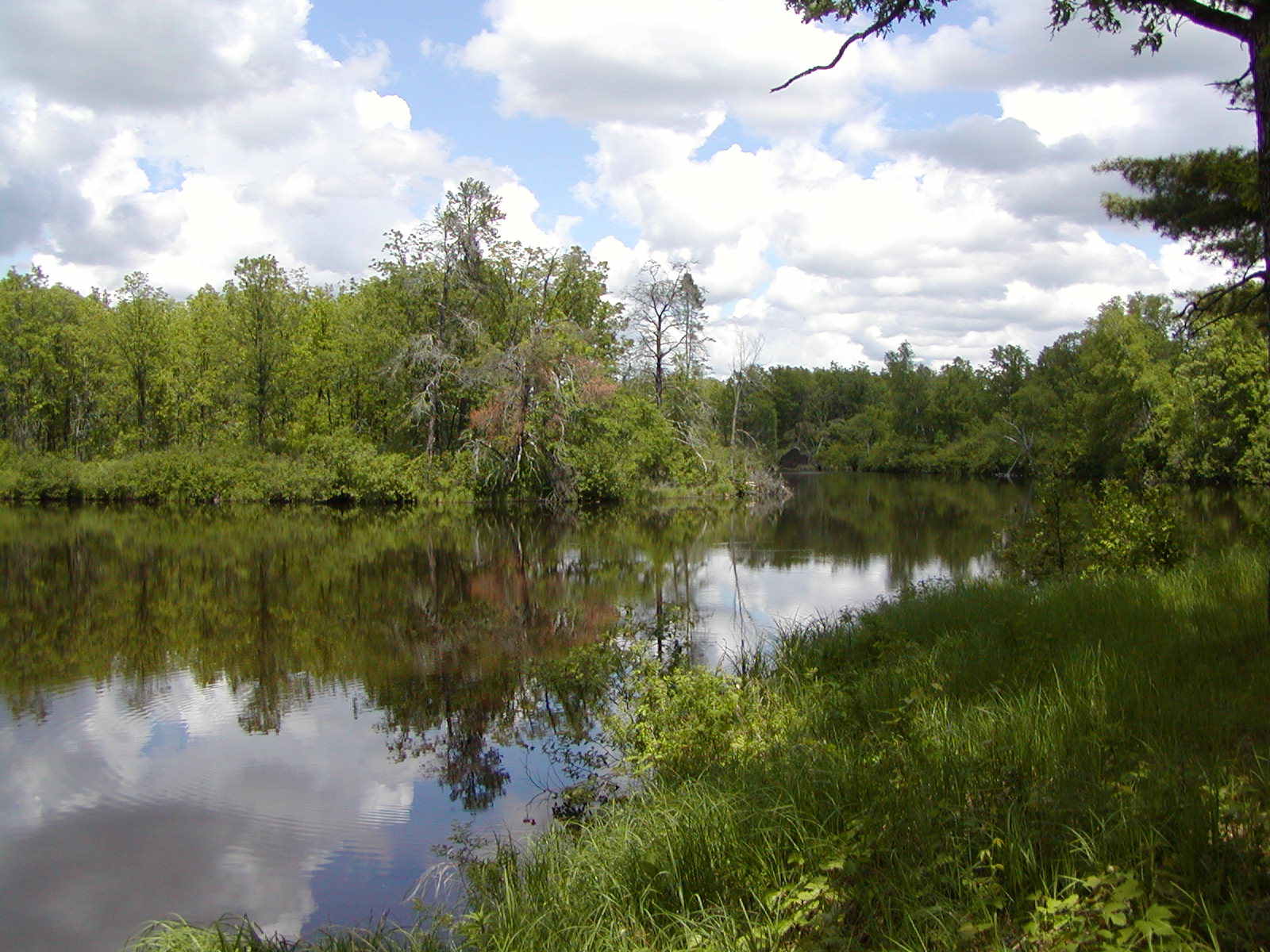
Saint Croix State Park
State Park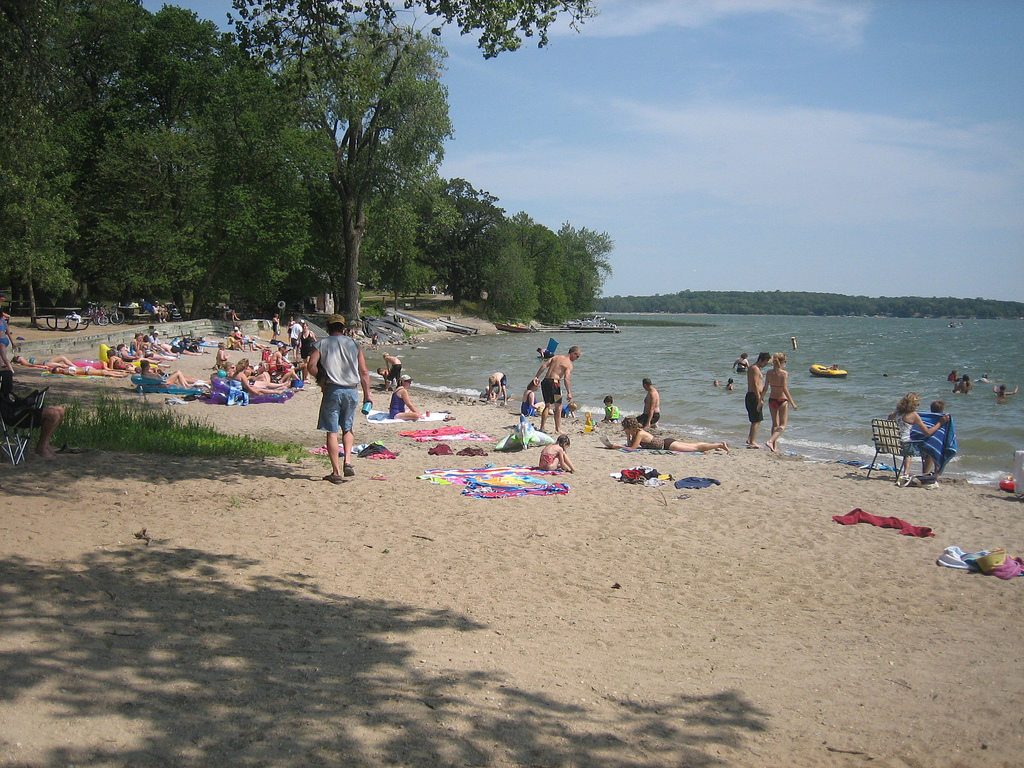
Sibley State Park
State Park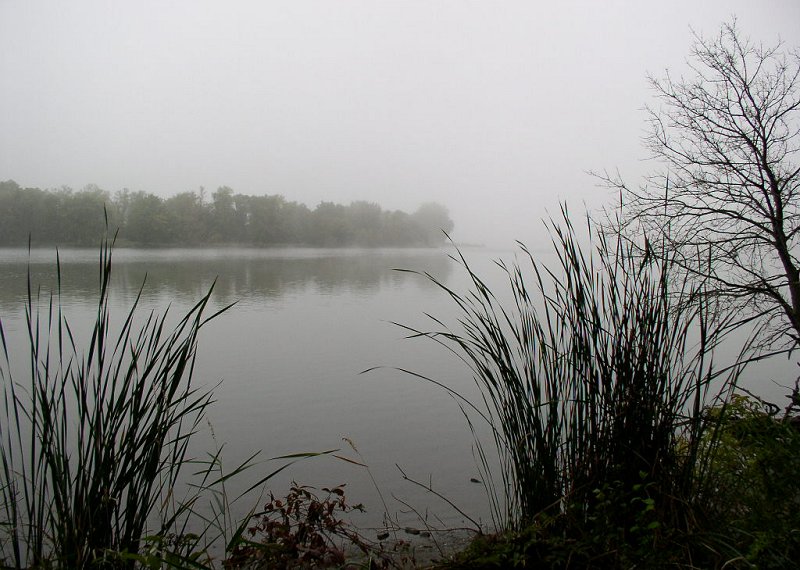
Split Rock Creek State Park
State Park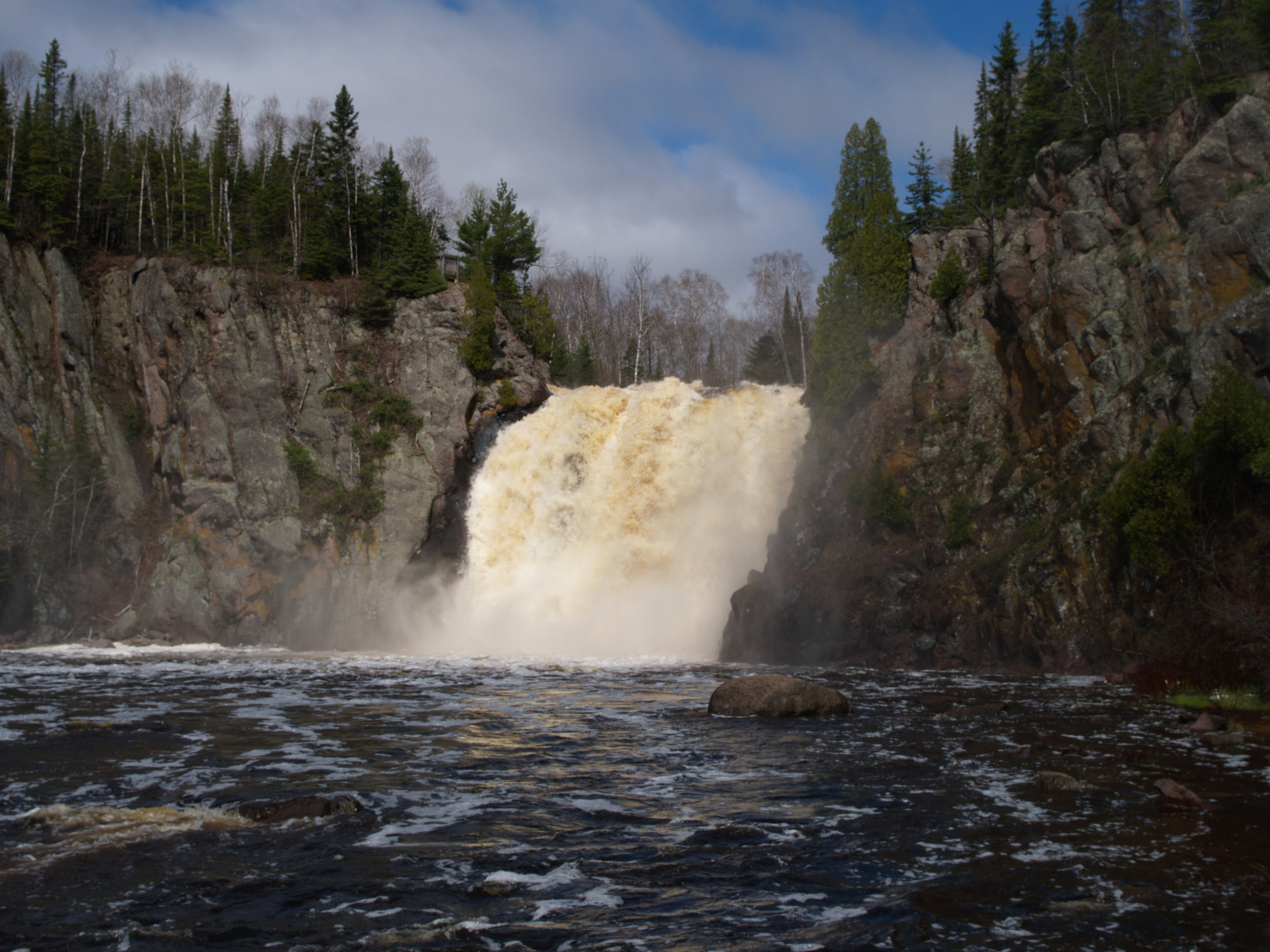
Tettegouche State Park
State Park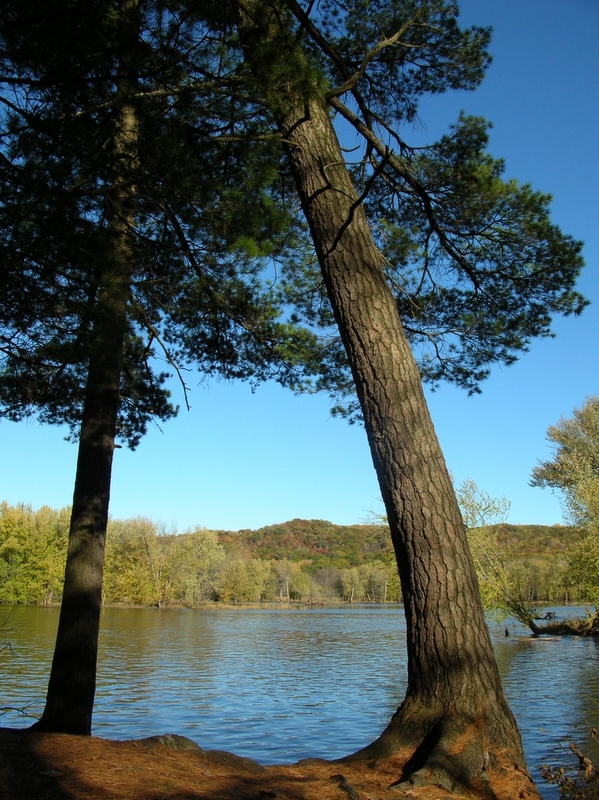
William O'Brien State Park
State Park