James Pate Philip State Park
State Park • IL

Overview
Overview
Located in northeastern Illinois near Bartlett, James “Pate” Philip State Park preserves a large expanse of open space within a heavily developed suburban region. The park offers a quiet, nature-focused experience centered on grassland restoration, wetlands, and accessible outdoor recreation.
Landscape & Geology
Landscape
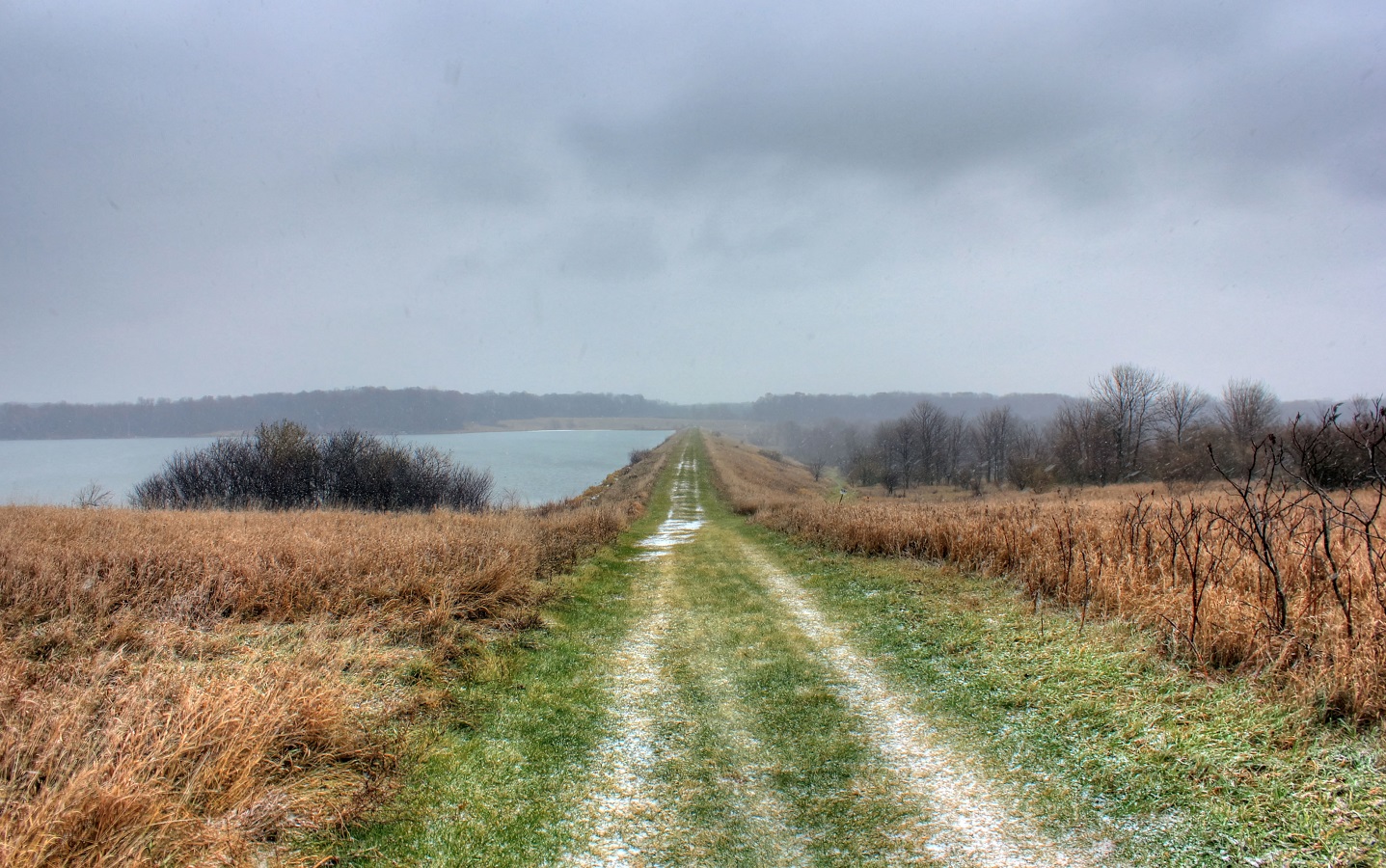
The park’s landscape is defined by broad prairie fields, wetlands, small ponds, and gently rolling terrain. Native grasses and wildflowers dominate much of the area, reflecting ongoing restoration efforts aimed at rebuilding natural ecosystems.
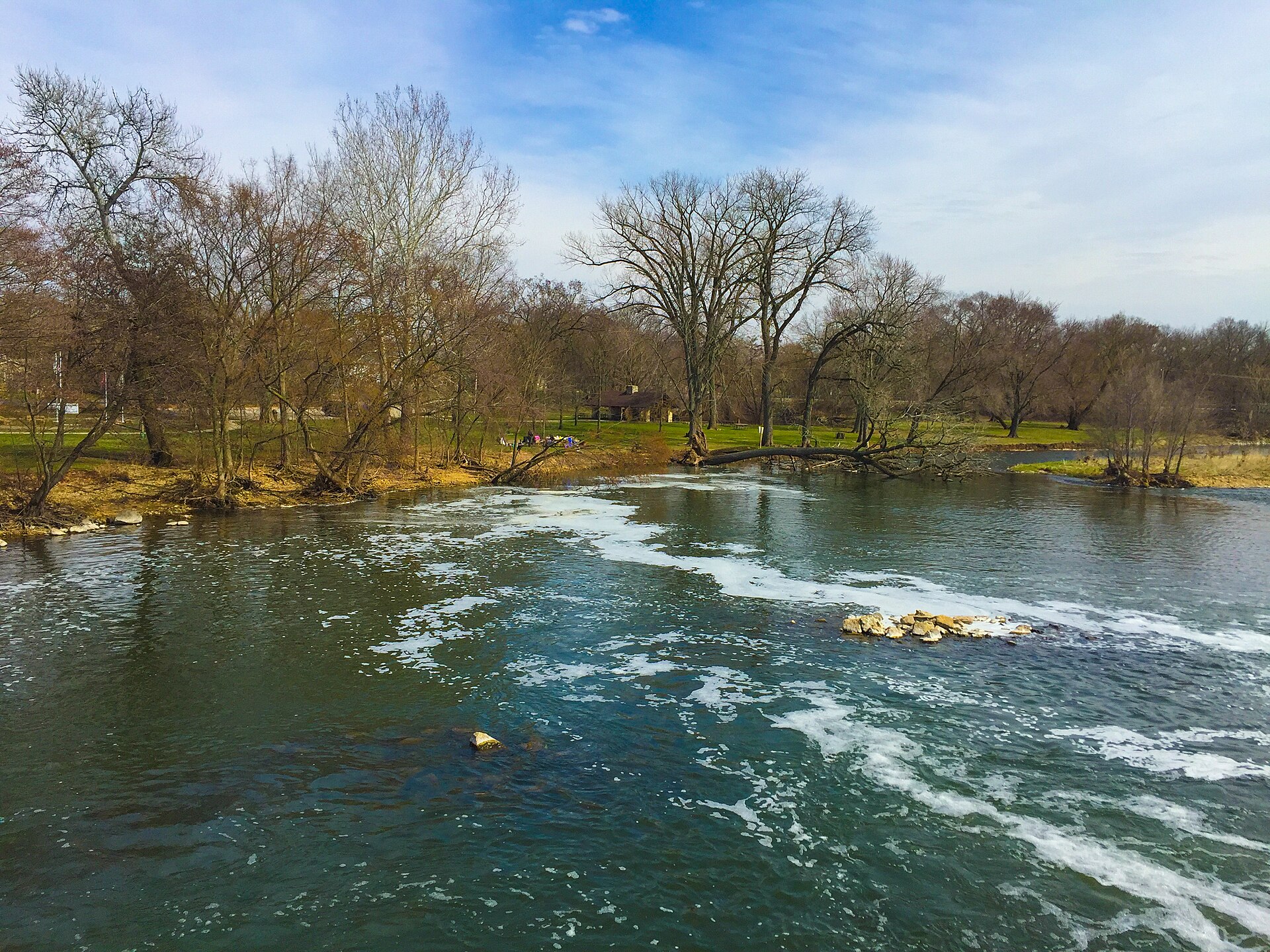
Tree-lined waterways and low-lying wetland areas provide contrast to the open prairie, supporting diverse plant and wildlife communities within the park’s expansive footprint.
Trails & Scenic Views
Trails
James “Pate” Philip State Park features a network of wide, multi-use trails suitable for walking, running, biking, and cross-country skiing. Trails are generally flat and well maintained, making them accessible to a wide range of visitors.
The trail system emphasizes long, uninterrupted routes through open landscape rather than short loops, encouraging steady movement and exploration.
Recreation
Recreation
Recreation opportunities include hiking, biking, wildlife viewing, birdwatching, and seasonal activities such as cross-country skiing. Open space and wide trails support both active recreation and quieter nature observation.
The park does not offer camping, reinforcing its role as a day-use destination serving surrounding communities.
History
History
The park is named in honor of James “Pate” Philip, a long-serving Illinois public official known for his role in regional planning and open space preservation. The land was protected to ensure long-term public access to natural areas amid suburban growth.
Its development reflects broader efforts to balance conservation, recreation, and regional land use planning in northeastern Illinois.
Why Visit
Find Your Next Adventure
James “Pate” Philip State Park offers a spacious and accessible outdoor retreat defined by prairie landscapes and wide trails. With its emphasis on restoration and everyday recreation, the park provides an important natural refuge within the Chicago metropolitan area.
Activities
 Biking
 Fishing
 Hiking
 Hunting
 Picnicking
 Winter Activities