Shawnee National Forest
National Forest • IL
Overview
Overview
Covering more than 280,000 acres across southern Illinois, Shawnee National Forest protects one of the most rugged and scenic landscapes in the state. Managed by the U.S. Forest Service, the forest offers a distinctly different outdoor experience from Illinois state parks, defined by dramatic terrain, ecological diversity, and a strong sense of scale.
Landscape & Geology
Landscape
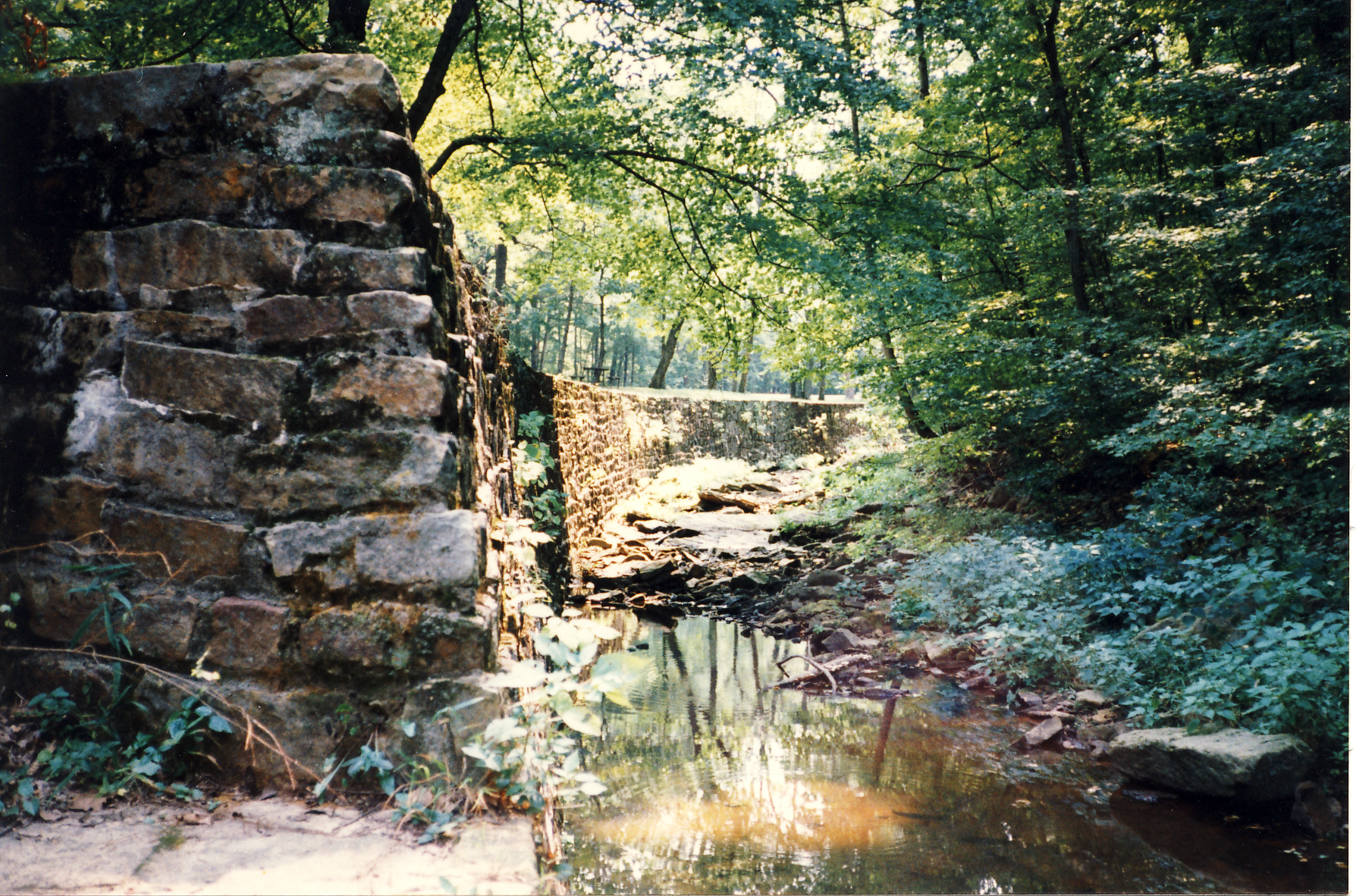
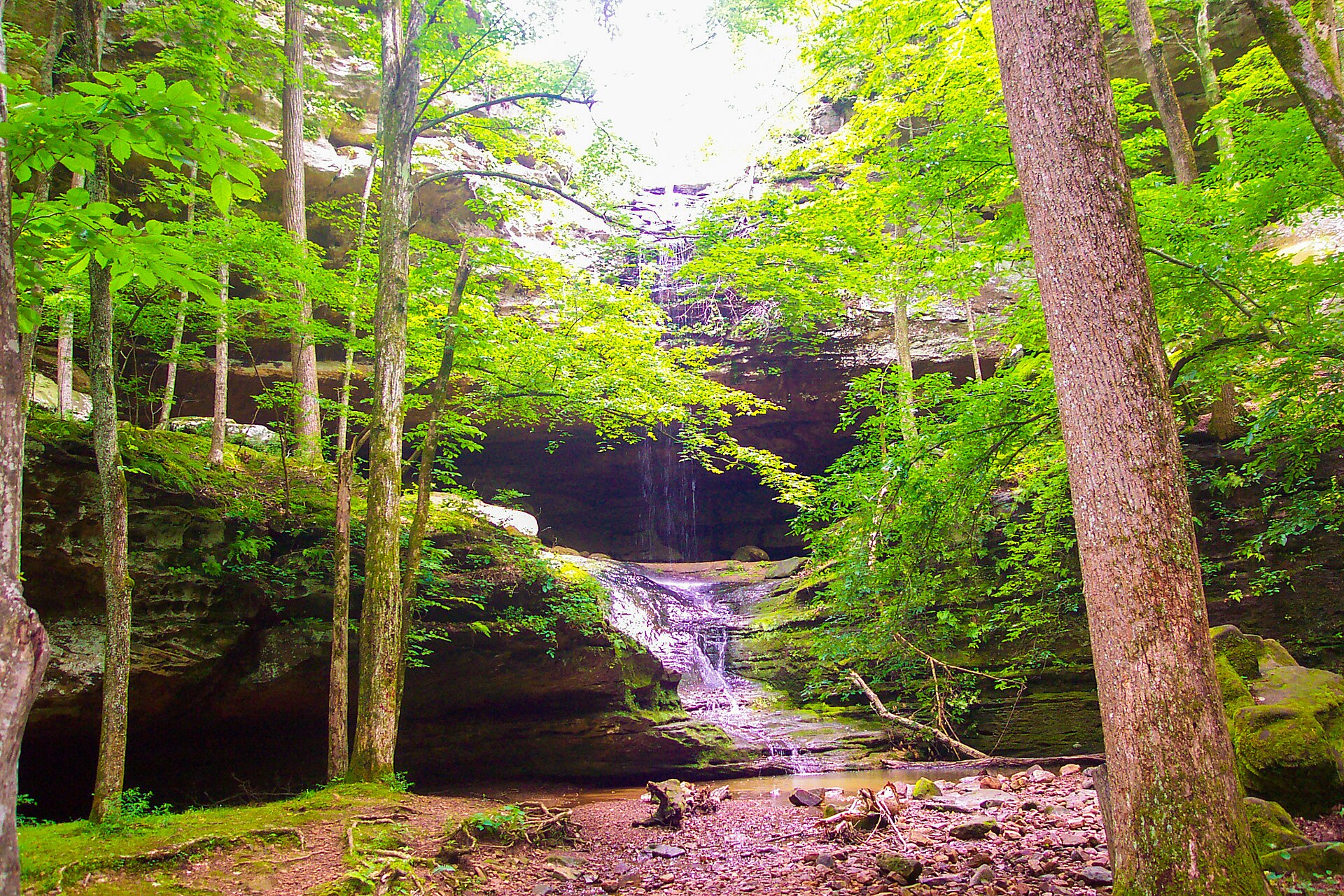
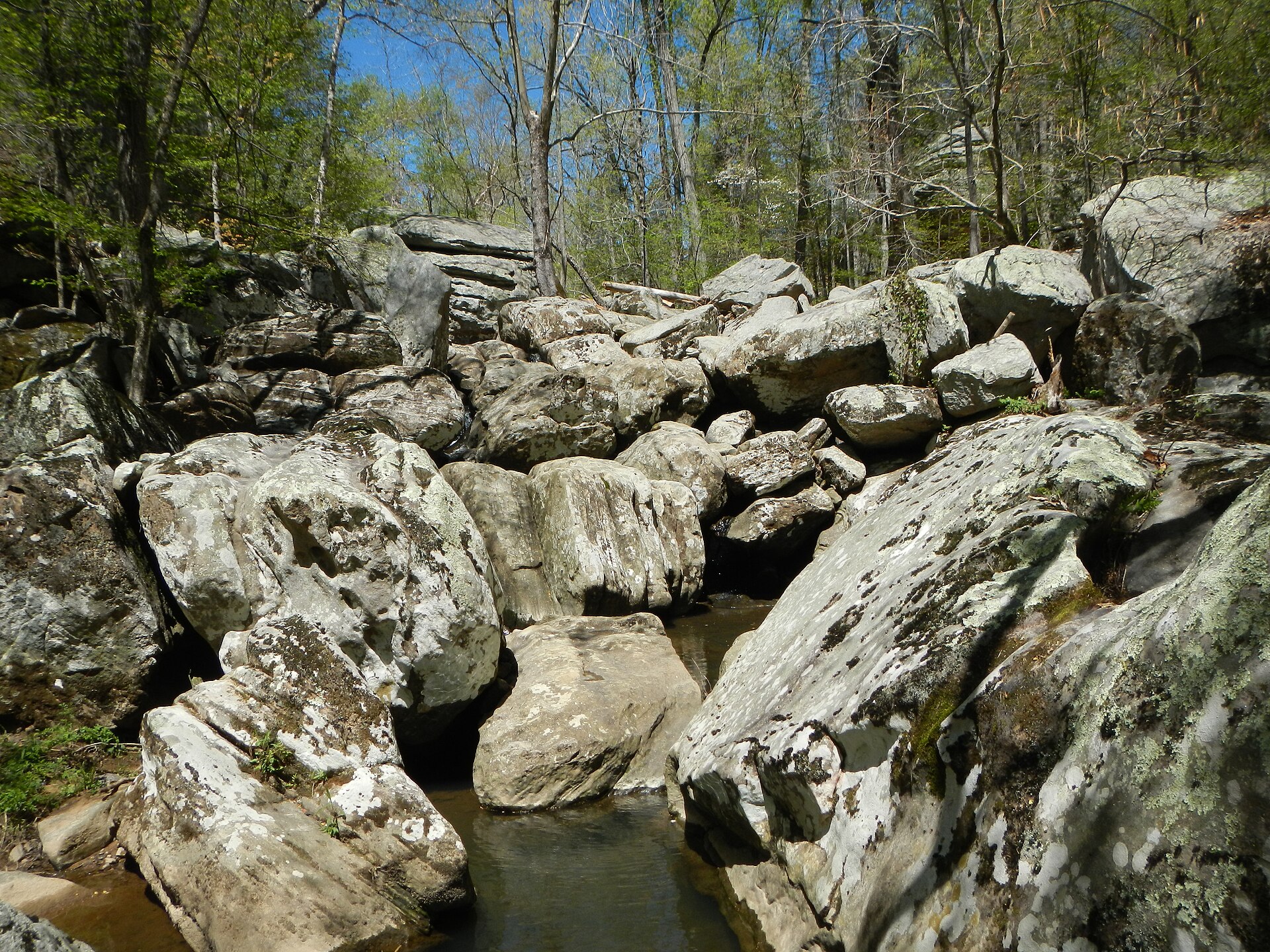
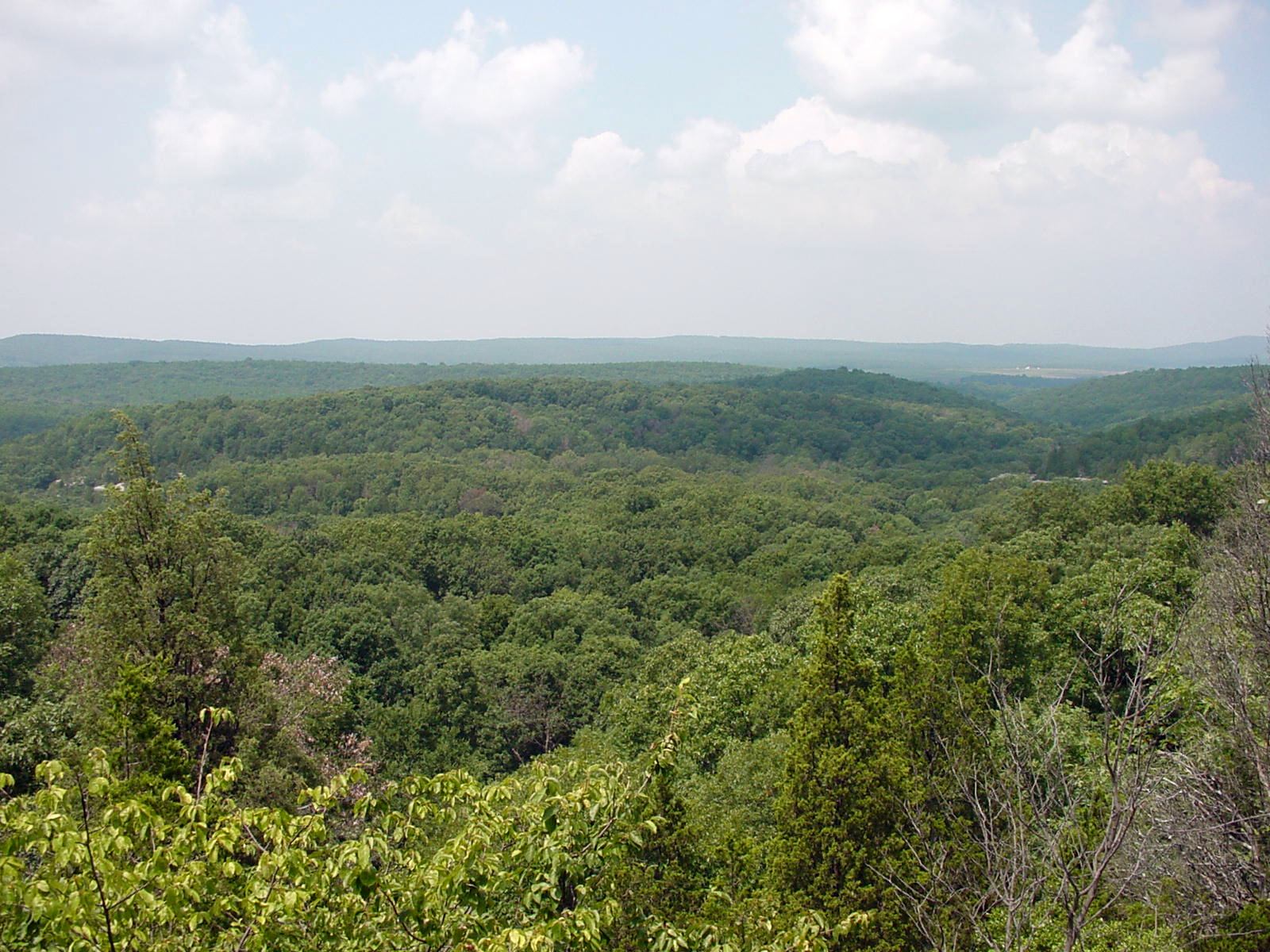
Shawnee National Forest is shaped by ancient geological processes that left behind sandstone bluffs, narrow canyons, rock formations, and rolling forested hills. Unlike much of Illinois’ surrounding farmland, the forest’s terrain rises and falls sharply, creating striking changes in elevation and scenery.
Hardwood forests dominate the landscape, interwoven with creeks, springs, and seasonal waterfalls. Areas such as Garden of the Gods, Bell Smith Springs, and Lusk Creek highlight exposed bedrock and rugged valleys, while quieter sections of the forest provide long stretches of uninterrupted woodland.
Trails & Scenic Views
Trails
The forest supports an extensive trail network used for hiking, backpacking, horseback riding, and mountain biking. Trail experiences range from short scenic hikes to long-distance routes such as the River to River Trail, which crosses the forest and links multiple natural areas.
Many trails are lightly developed and emphasize natural terrain rather than amenities. Conditions can vary widely depending on location, season, and weather, reinforcing the forest’s backcountry character and appeal to experienced hikers.
Recreation
Recreation
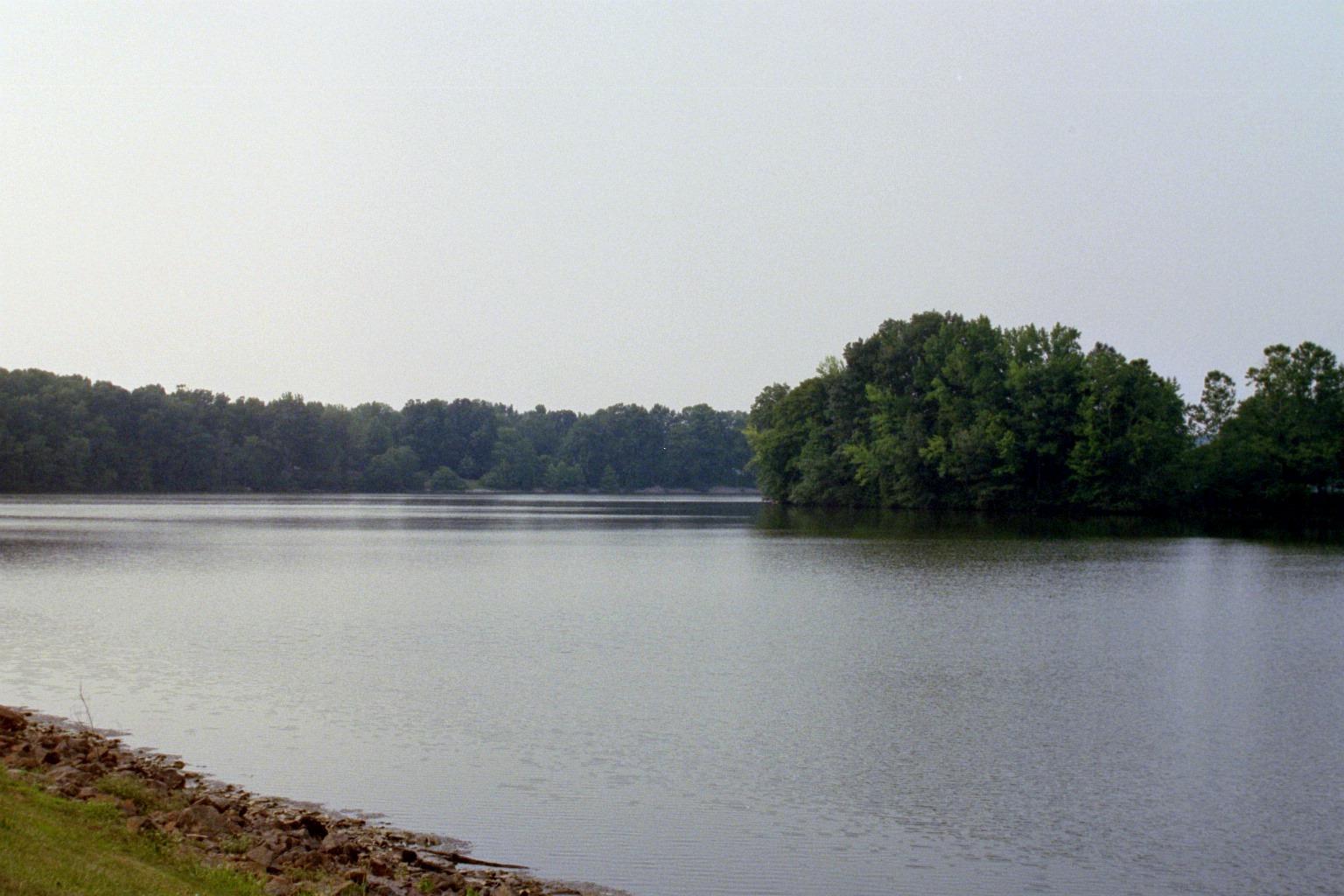
Recreation opportunities in Shawnee National Forest are broad and often adventure-oriented. Popular activities include hiking, rock climbing, fishing, paddling, hunting, wildlife viewing, and dispersed camping in designated areas. Developed campgrounds and picnic sites are available, but much of the forest is managed for low-impact, self-directed recreation.
Rock climbing areas such as Jackson Falls attract visitors from across the Midwest, while creeks and rivers offer quieter paddling and fishing experiences. Seasonal changes strongly influence recreation, from spring wildflowers and summer shade to fall color and winter solitude.
History
History
The lands that now form Shawnee National Forest have a long history of Indigenous use, early settlement, and extensive logging. By the early twentieth century, much of the region had been heavily altered by timber extraction and land clearing.
Federal acquisition and reforestation efforts led to the creation of the national forest, emphasizing land restoration, sustainable management, and public access. That balance between conservation and recreation continues to shape forest management today.
Why Visit
Find Your Next Adventure
Shawnee National Forest offers a uniquely rugged and scenic outdoor experience within Illinois, combining dramatic geology, quiet forests, and diverse recreational opportunities. Whether visiting a well-known overlook or exploring a remote trail, the forest rewards visitors who enjoy discovery, varied terrain, and a strong connection to the landscape.
Activities
 Backpacking
 Boating
 Camping
 Fishing
 Hiking
 Horseback Riding
 Hunting
 Scenic Driving
 Waterfalls
 Wildlife Viewing