Hiawatha National Forest
National Forest • MI
Overview
Overview
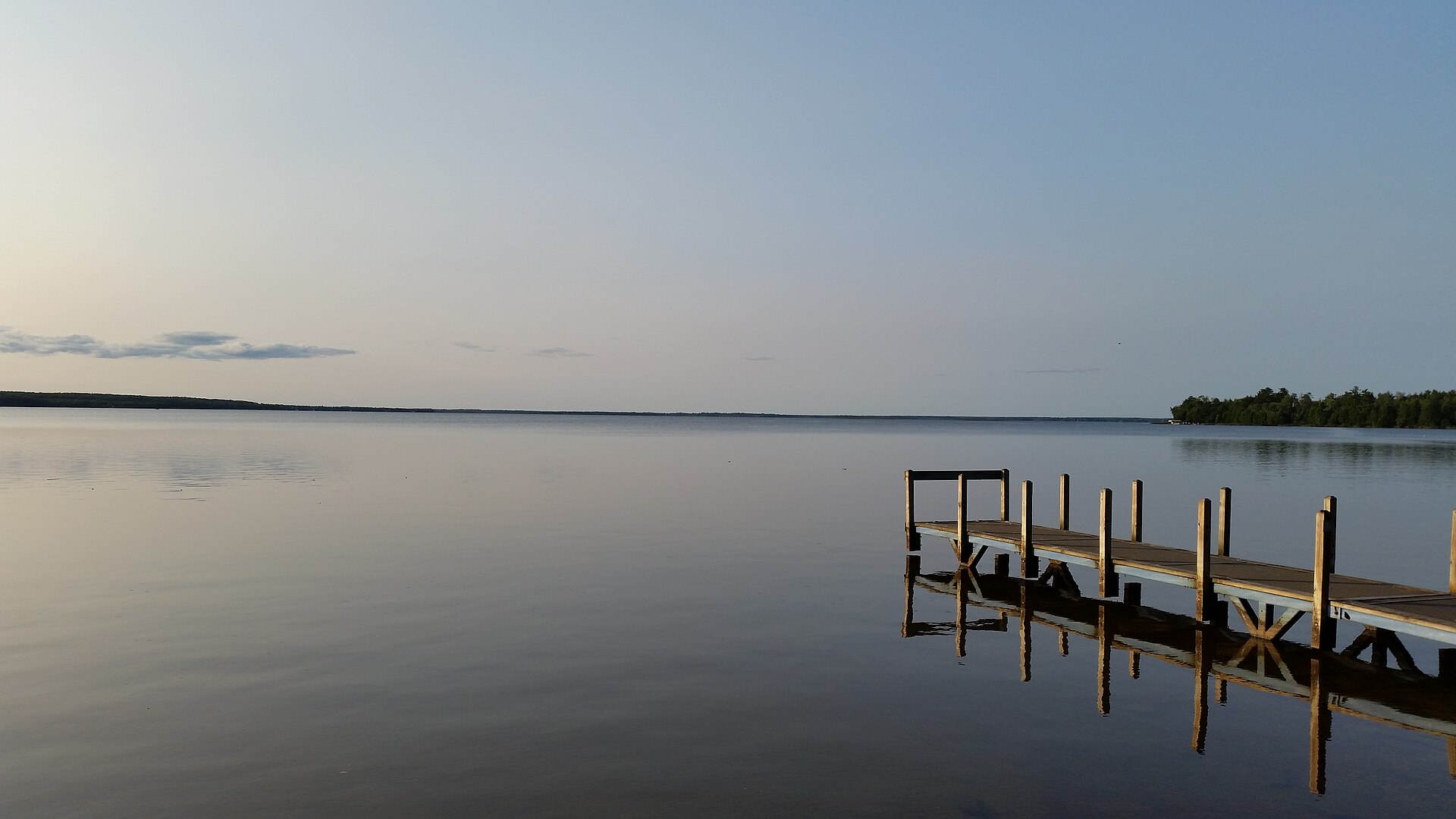
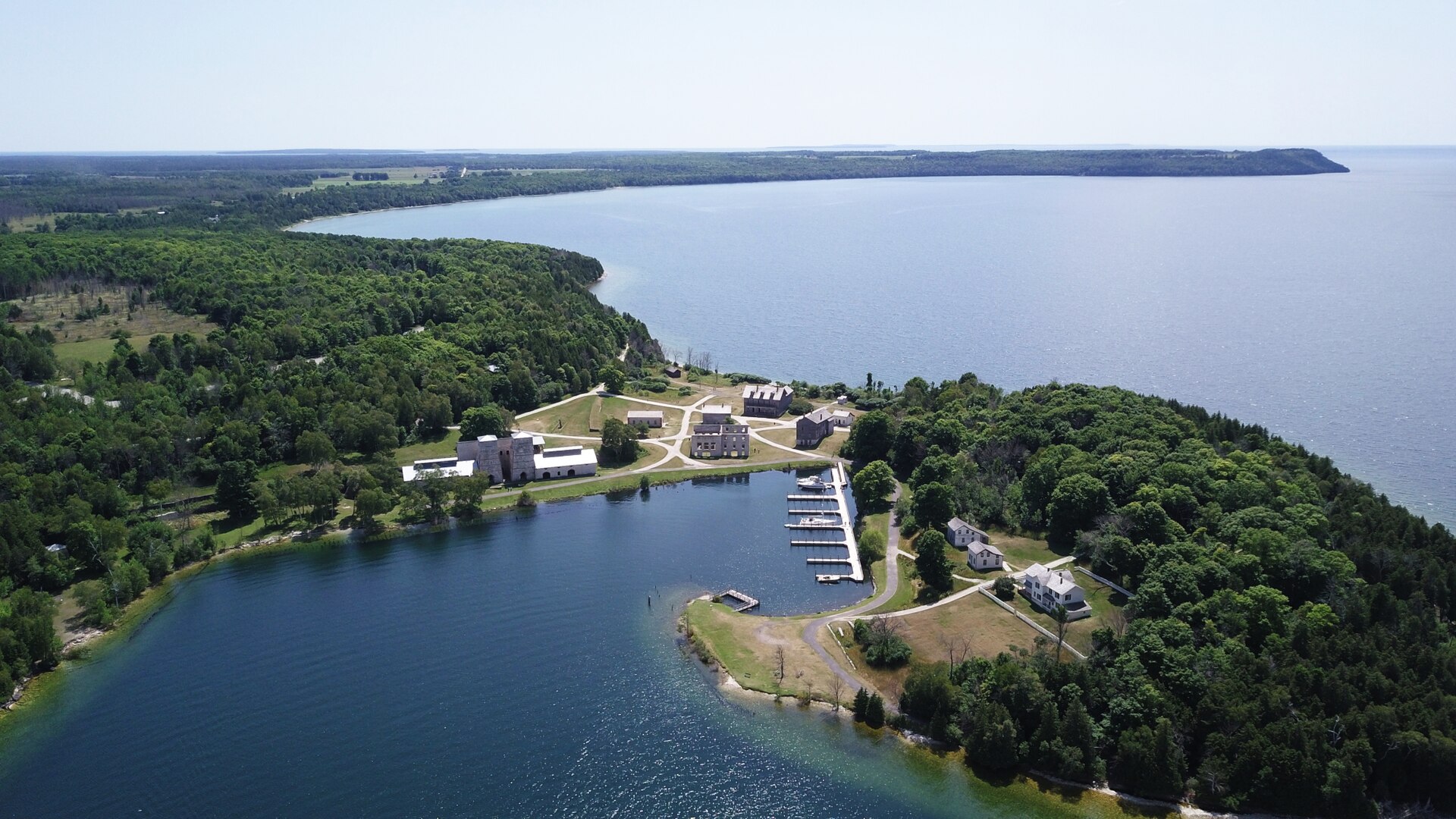
Hiawatha National Forest spans much of Michigan’s Upper Peninsula, protecting a vast landscape of forests, lakes, wetlands, and Lake Superior and Lake Michigan shoreline. Covering nearly one million acres, the forest offers an enormous range of outdoor experiences, from remote backcountry exploration to easily accessible campgrounds and scenic drives. It serves as a defining natural backdrop for the eastern and central UP.
Landscape & Geology
Landscape
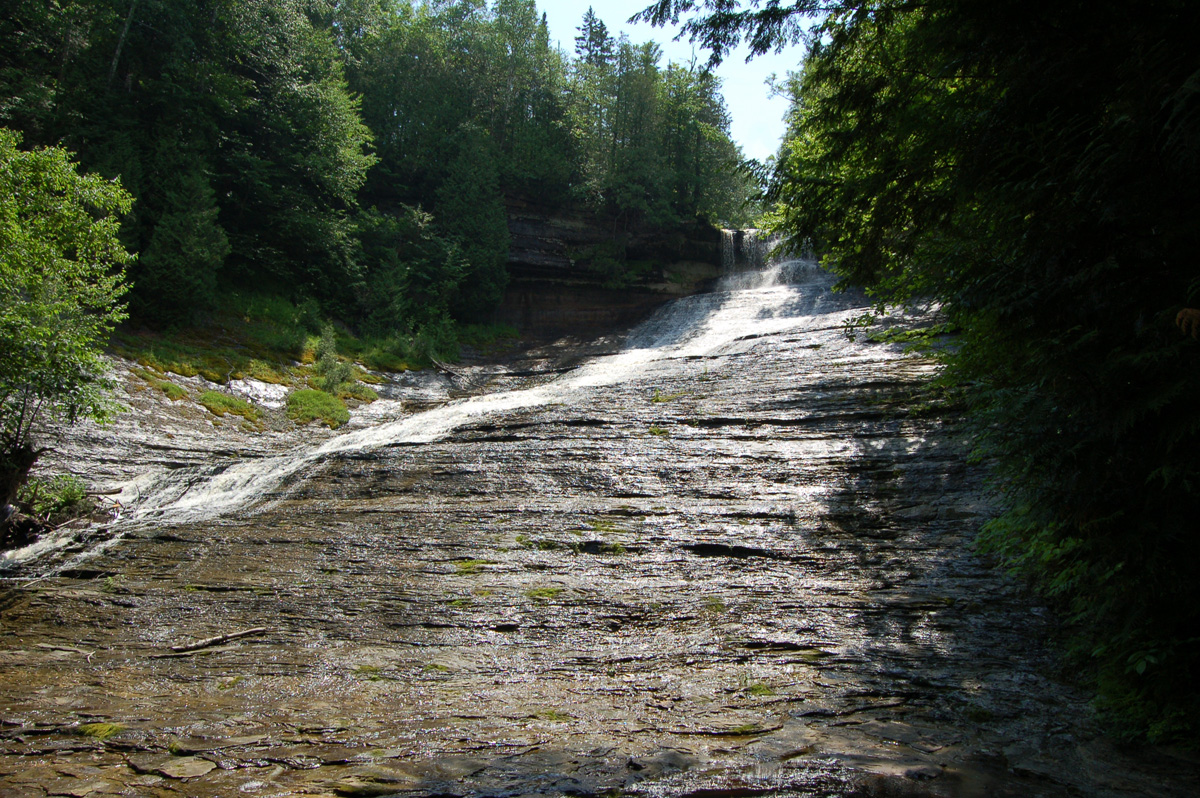
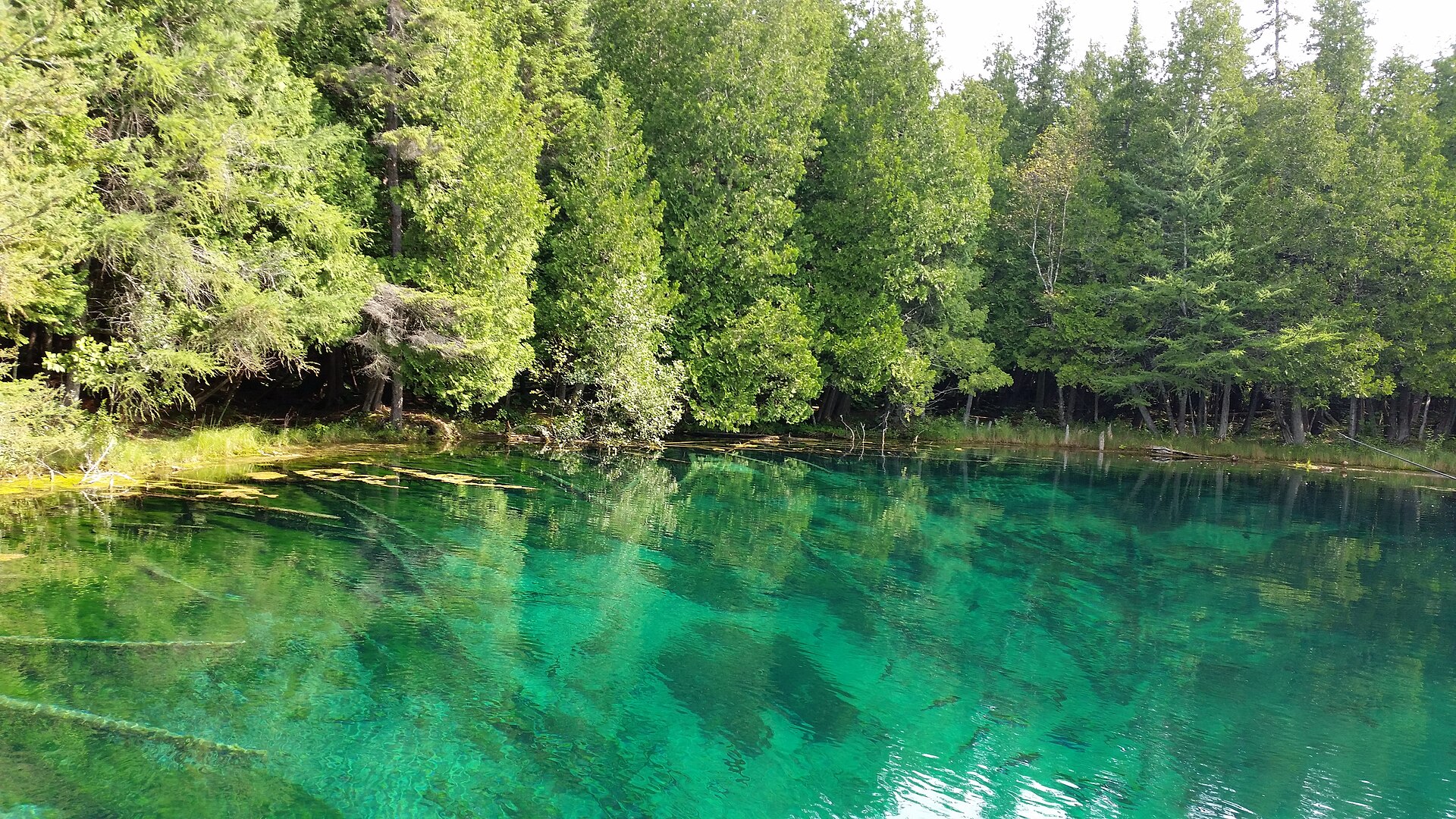
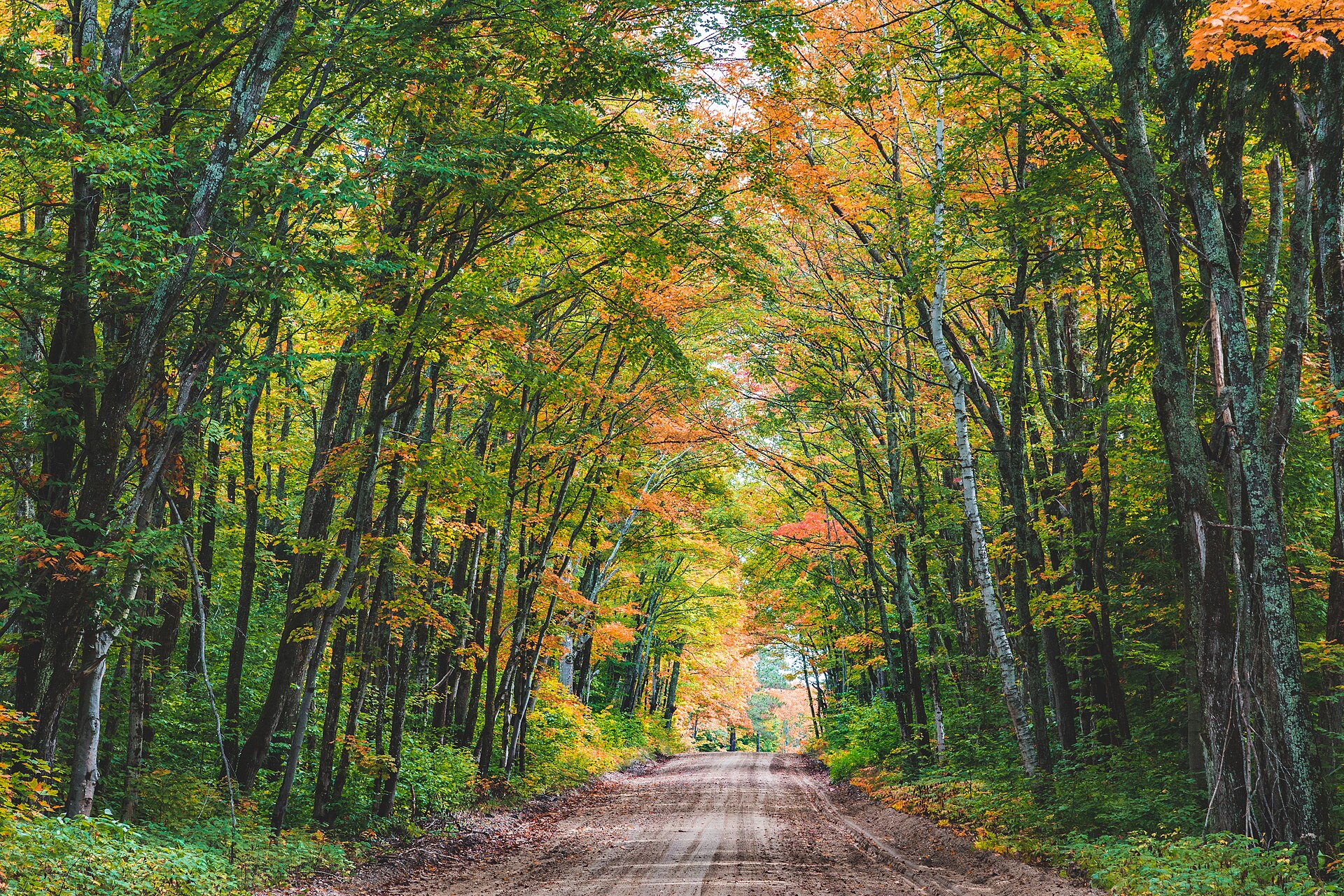
The forest is characterized by dense hardwood and conifer stands, glacial lakes, cedar swamps, and long stretches of undeveloped shoreline. Inland areas feature rolling terrain shaped by ancient glaciers, while the forest’s coastal sections include sandy beaches, rocky shores, and expansive lake views. Seasonal change plays a major role here, with vibrant fall color, snowy winters, and lush summer growth transforming the landscape throughout the year.
Trails & Scenic Views
Trails
Hiawatha National Forest contains hundreds of miles of trails supporting hiking, backpacking, biking, and winter recreation. Routes range from short nature walks to longer multi-day backpacking options, including sections of nationally significant trail systems. Snowmobile and cross-country ski trails are also prominent, making the forest a year-round destination for trail-based exploration.
Recreation
Recreation
Recreation opportunities are extensive and varied. The forest offers developed and dispersed camping, fishing on inland lakes and rivers, boating, paddling, wildlife viewing, and hunting. Its Great Lakes access supports swimming, kayaking, and shoreline exploration, while winter brings snowmobiling, skiing, and snowshoeing. With so much space and diversity, visitors can choose between social campgrounds or remote, quiet experiences.
History
History
The land that became Hiawatha National Forest has long been used by Indigenous peoples and later played a major role in Michigan’s logging and settlement history. Heavy timber harvesting in the late 19th and early 20th centuries dramatically altered the region, leading to federal conservation efforts and reforestation. Today, the forest reflects decades of land recovery and active management focused on sustainability and public access.
Why Visit
Find Your Next Adventure
Hiawatha National Forest is ideal for travelers who want space, variety, and a sense of immersion in the Upper Peninsula’s natural character. Whether used as a base for camping, a corridor for long-distance travel, or a destination for quiet exploration, the forest offers a scale and diversity that few places in the Midwest can match.
Activities
 Biking
 Birdwatching
 Boating
 Camping
 Canoeing
 Climbing
 Fishing
 Hiking
 Horseback Riding
 Hunting
- Kayaking
 Picnicking
 Scenic Driving
 Swimming
- Wildflower Viewing
 Wildlife Viewing
 Winter Activities