Ottawa National Forest
National Forest • MI
Overview
Overview
Ottawa National Forest covers a large portion of Michigan’s western Upper Peninsula, protecting a rugged and lightly populated landscape shaped by rivers, forests, and low mountain ridges. Known for its waterfalls, remote backcountry, and four-season recreation, the forest offers a quieter and more rugged experience than many nearby public lands.
Landscape & Geology
Landscape
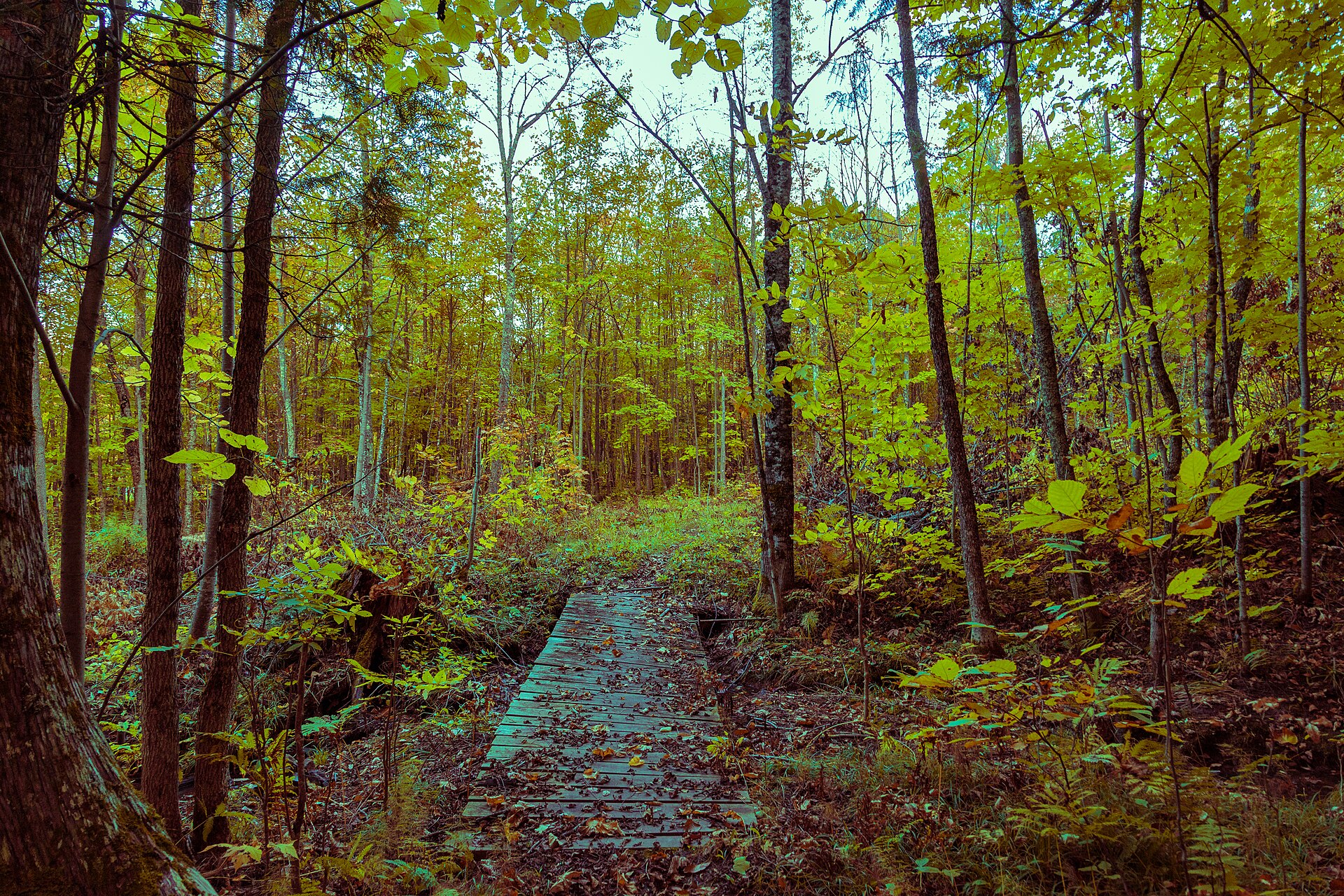
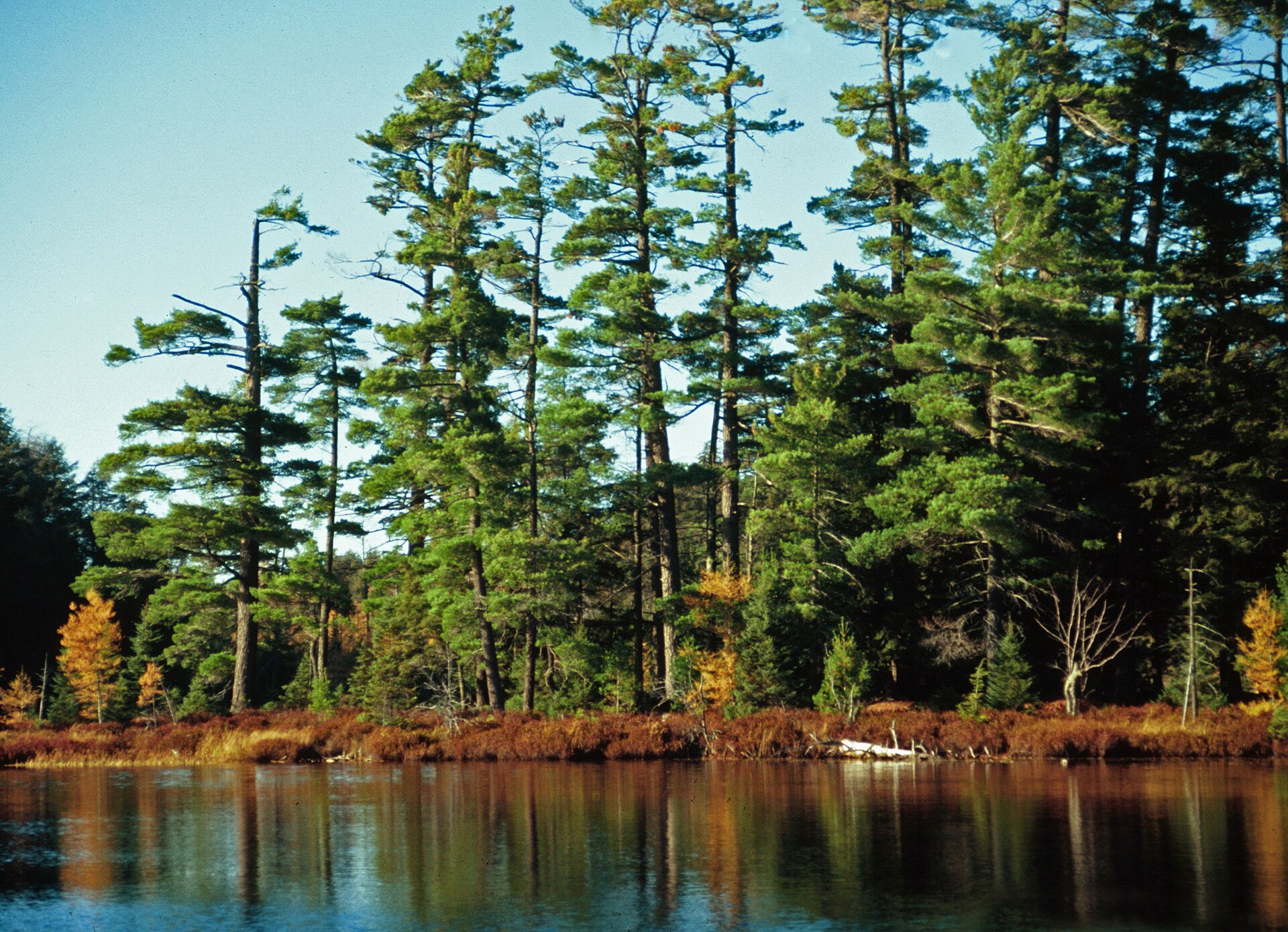
The forest’s terrain is defined by rolling hills, deep river valleys, hardwood and conifer forests, and scattered wetlands. Numerous rivers cut through the land, creating waterfalls, gorges, and scenic corridors that are among the most dramatic in the Upper Peninsula. Inland lakes and dark night skies add to the forest’s sense of remoteness, while fall brings especially striking color across the hills.
Trails & Scenic Views
Trails
Ottawa National Forest contains an extensive network of trails for hiking, backpacking, biking, and winter use. Trails range from short scenic walks to longer backcountry routes that pass through remote areas with minimal development. Snowmobile and cross-country ski trails are a major feature in winter, making the forest a year-round destination.
Recreation
Recreation
Recreation opportunities are wide-ranging and dispersed across the forest. Visitors enjoy camping at developed campgrounds and rustic sites, fishing in rivers and lakes, paddling quiet waterways, hunting, and wildlife viewing. Waterfall chasing is especially popular, with many falls accessible by short hikes. In winter, snowmobiling, skiing, and snowshoeing dominate much of the forest.
History
History
The land within Ottawa National Forest has a long history of Indigenous use and later became heavily impacted by logging and mining in the late 19th and early 20th centuries. After widespread deforestation, federal conservation and reforestation efforts helped restore the landscape. Today, the forest reflects decades of recovery and active management focused on sustainable use and recreation.
Why Visit
Find Your Next Adventure
Ottawa National Forest is ideal for visitors seeking space, solitude, and variety across a large landscape. Whether exploring waterfalls, camping far from crowds, or traveling long forest roads between trailheads, the forest offers a sense of scale and quiet that defines the western Upper Peninsula.
Activities
 Biking
 Birdwatching
 Boating
 Camping
 Canoeing
 Caving
 Fishing
 Geocaching
 Hiking
 Horseback Riding
 Hunting
- Kayaking
 Picnicking
 Scenic Driving
 Swimming
- Wildflower Viewing
 Wildlife Viewing
 Winter Activities