Voyageurs National Park
National Park • MN
Overview
Overview
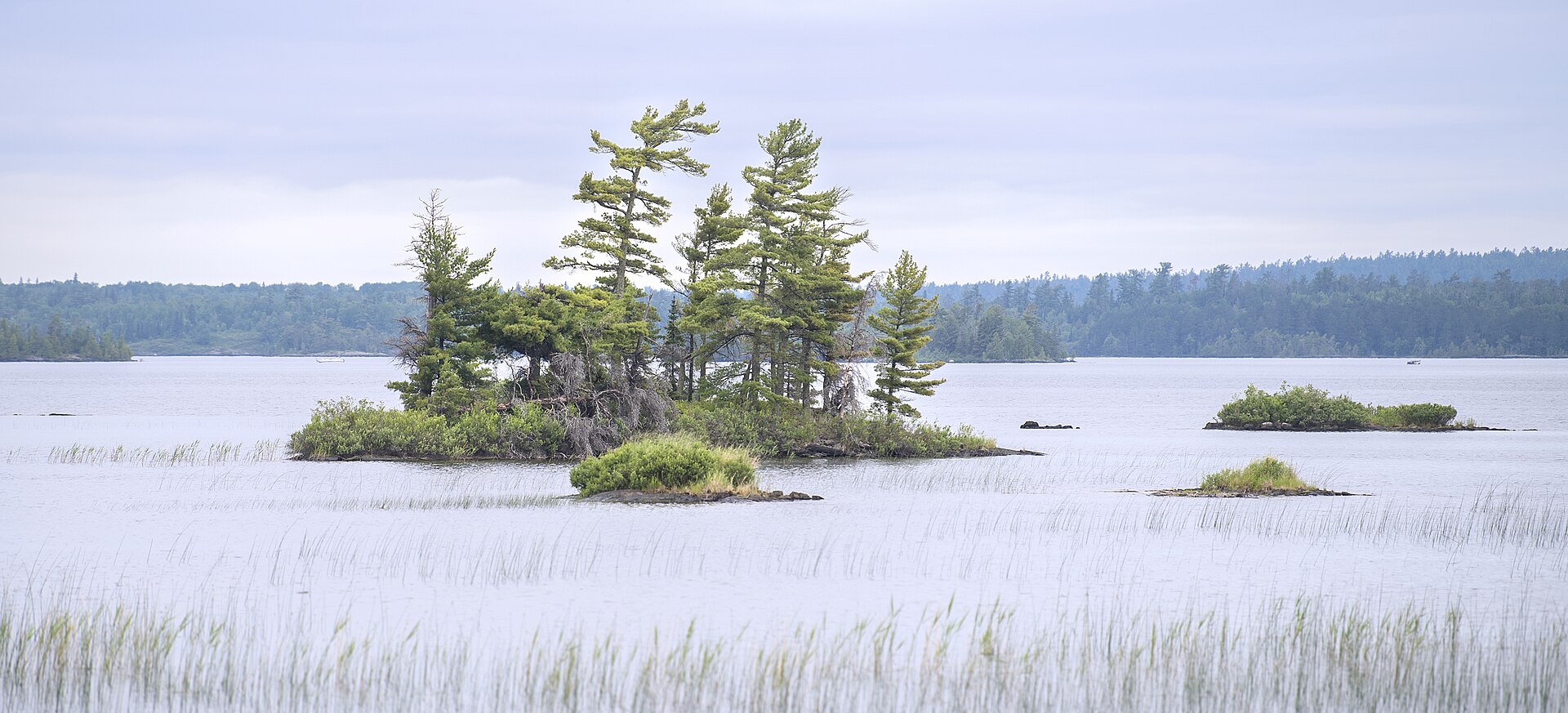
Voyageurs National Park protects a vast and interconnected network of lakes, islands, and forests along Minnesota’s northern border with Canada. Known for its water-based landscape and remote feel, the park offers a quiet, immersive experience where travel by boat is often essential. Its name honors the French-Canadian voyageurs who once navigated these waters while trading furs across the region.
Landscape & Geology
Landscape
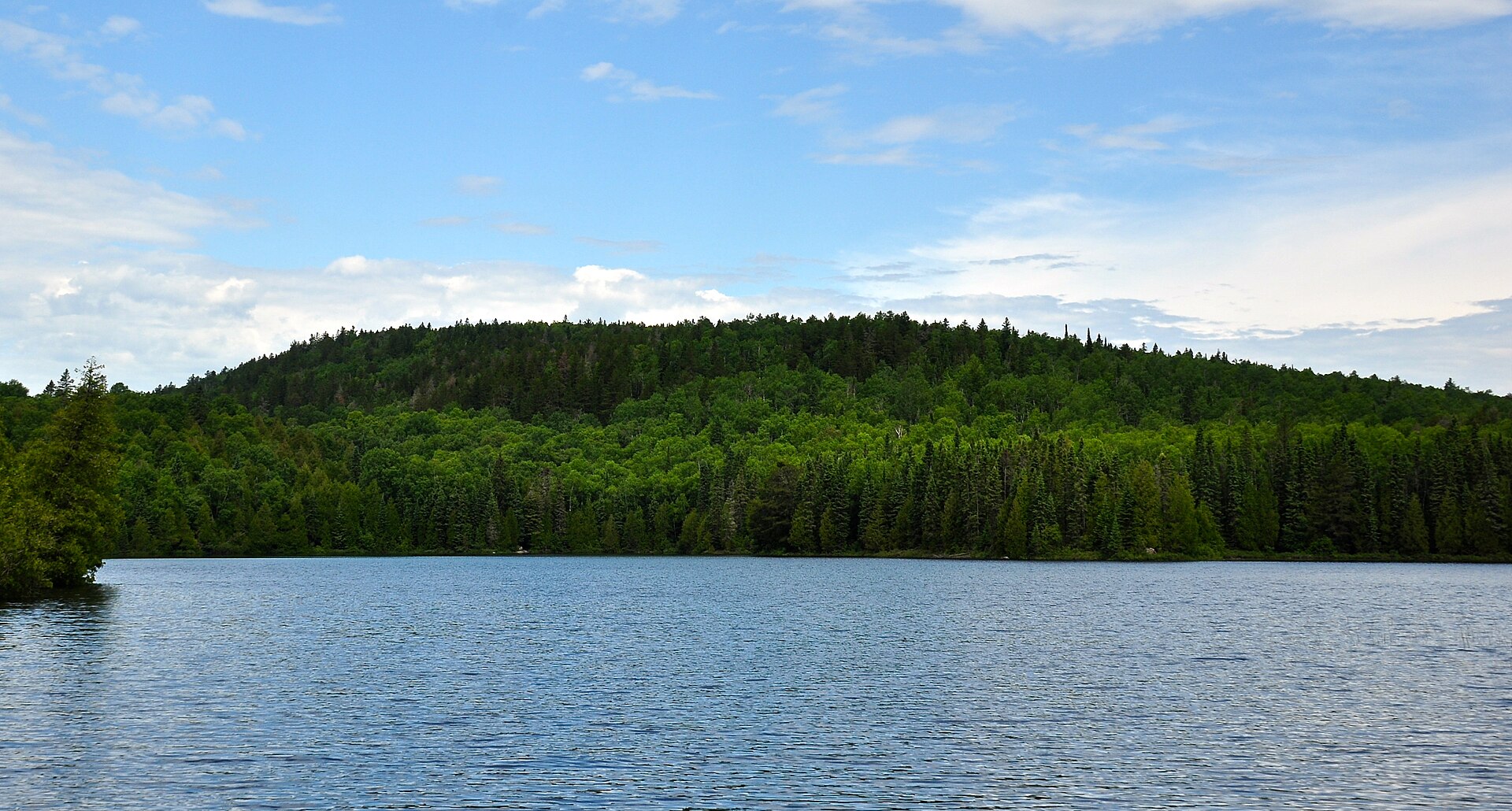
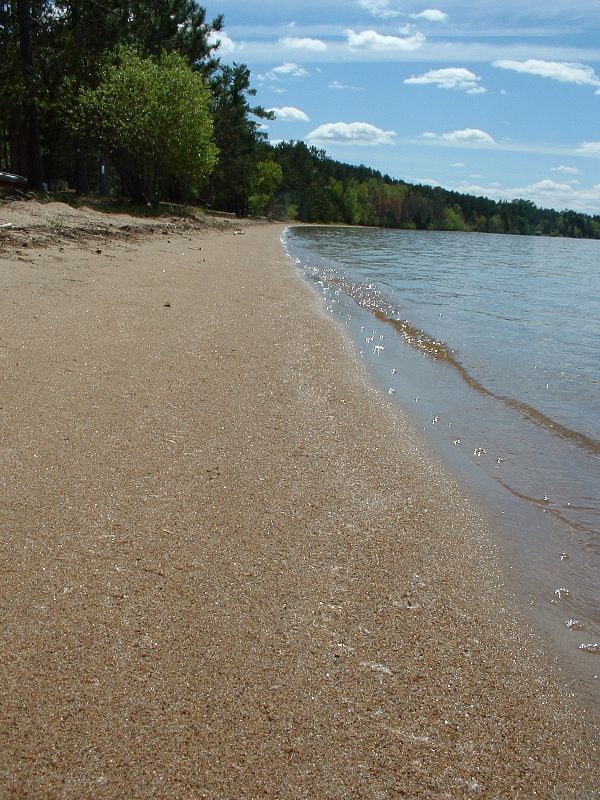
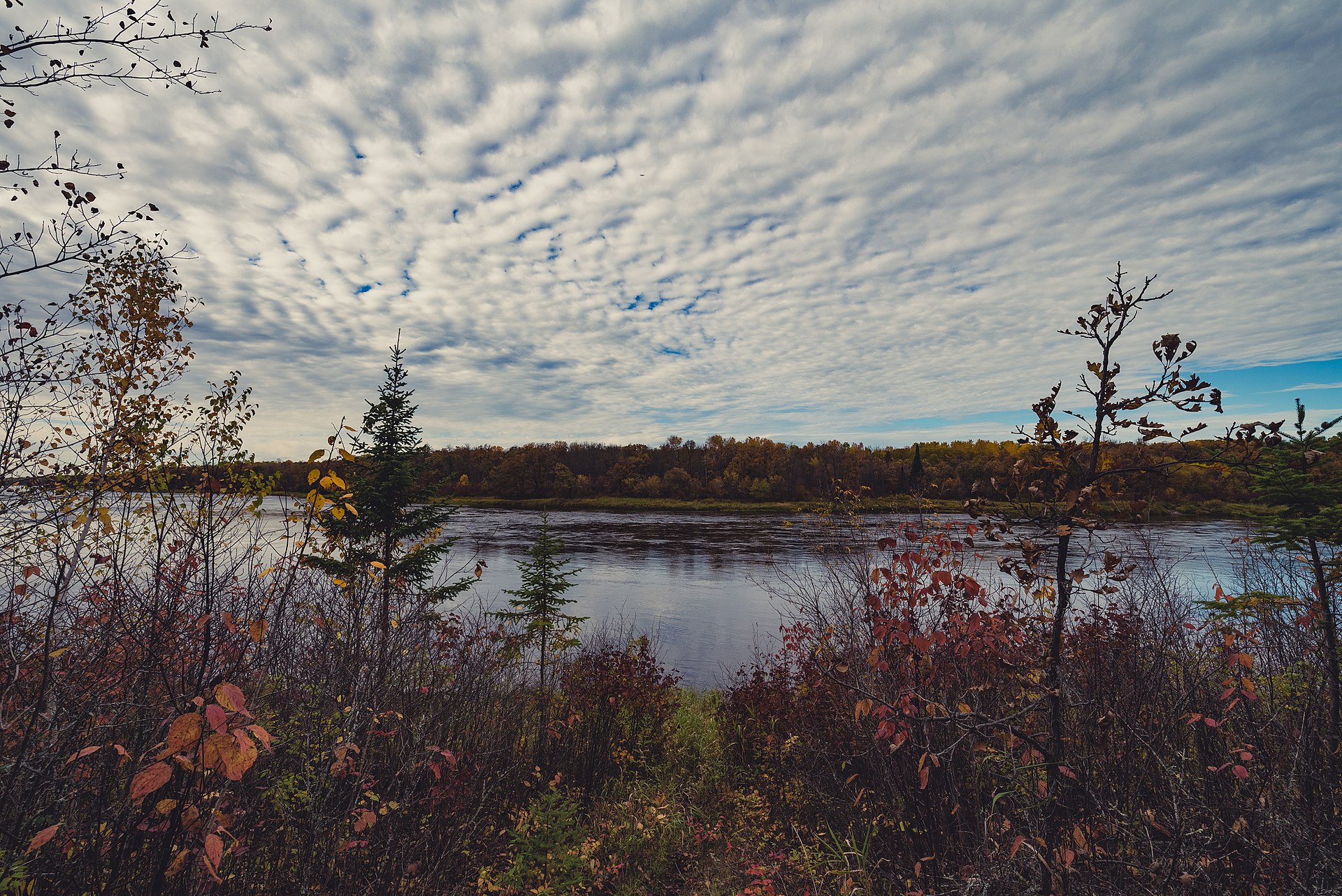
The park is defined by four major lakes—Rainy, Kabetogama, Namakan, and Sand Point—along with dozens of smaller interior lakes and more than 500 islands. Granite outcrops, boreal forests, wetlands, and sheltered bays create a landscape shaped by glaciers and ancient waterways. Shorelines alternate between rocky points, sandy beaches, and dense stands of pine, spruce, and birch.
Trails & Scenic Views
Trails
Hiking opportunities in Voyageurs are limited compared to many national parks, with most trails being short and scattered across the mainland and islands. Trails such as the Oberholtzer Trail and Blind Ash Bay Trail provide forest walks and scenic overlooks, while several island trails are accessible only by boat. Water routes, rather than footpaths, serve as the primary way to explore much of the park.
Recreation
Recreation
Boating, canoeing, and kayaking are central to the Voyageurs experience, with miles of navigable waterways connecting campsites and scenic destinations. Fishing is especially popular, with walleye, northern pike, and smallmouth bass among the most sought-after species. In winter, frozen lakes transform the park into a destination for snowmobiling, ice fishing, cross-country skiing, and snowshoeing.
History
History
The area has long been home to Indigenous peoples, including the Ojibwe, who relied on the lakes and forests for travel, trade, and sustenance. During the fur trade era, voyageurs used these waterways as vital transportation corridors between interior North America and global markets. The park was established in 1975 to preserve this unique water-based landscape and its cultural history.
Why Visit
Find Your Next Adventure
Voyageurs National Park offers a rare chance to experience a national park primarily from the water, rewarding visitors who embrace its slower pace and remote character. Whether navigating quiet channels, camping on secluded islands, or watching the northern lights reflect off still lakes, the park provides a deeply peaceful and distinctly northern wilderness experience.
Activities
 Boating
 Camping
 Canoeing
 Fishing
 Hiking
 Kayaking
 Swimming
 Wildlife Viewing
 Winter Activities