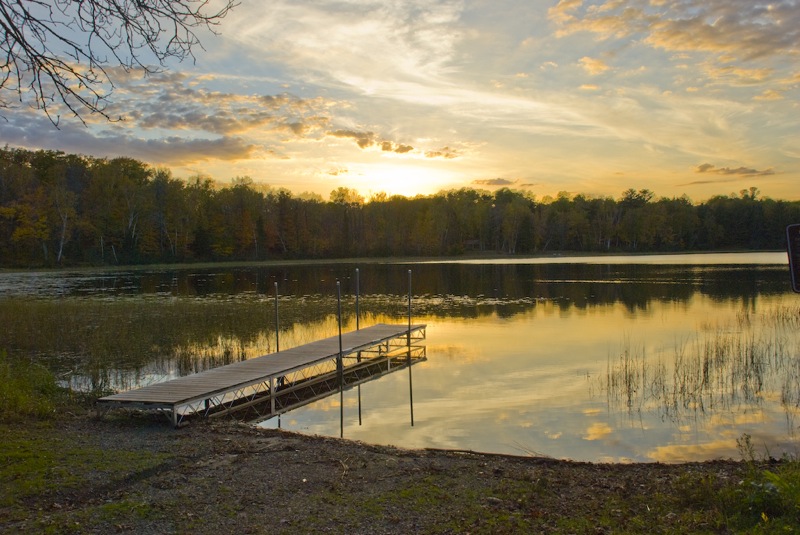
Overview
Historic places in Minnesota parks offer visitors a chance to explore the stories that shaped the state’s landscapes and communities. From Native American heritage sites and early trade routes to logging camps, military forts, and preserved historic structures, Minnesota’s public lands protect more than just natural beauty. Many parks preserve meaningful landmarks that connect visitors to centuries of cultural and regional history.
Landscape
Minnesota’s rivers, forests, prairies, and shorelines have long played important roles in transportation, settlement, and industry. Historic sites within parks often sit along major waterways, near early trade corridors, or within areas once central to timber and mining industries. The surrounding natural landscapes provide context for understanding how geography influenced settlement patterns and economic development throughout the state.
Recreation
Visitors can explore interpretive trails, historic markers, preserved buildings, and reconstructed structures that highlight key moments in Minnesota’s past. Many parks feature educational signage, visitor centers, and guided programs that explain historical events and cultural traditions. Exploring historic places pairs naturally with hiking, photography, and scenic walks, allowing visitors to experience both heritage and landscape in one visit.
History
Minnesota’s park system helps protect significant cultural and archaeological sites, preserving them for future generations. Indigenous history, fur trade routes, military installations, early settlement communities, and conservation milestones all contribute to the state’s historical narrative. Through preservation and education, parks serve as both natural sanctuaries and living classrooms.
Discover Minnesota’s Stories
From riverside forts to forested logging relics, historic places in Minnesota parks offer insight into the people and events that shaped the region. Visiting these sites provides a deeper understanding of the state’s heritage while enjoying the surrounding natural environment.
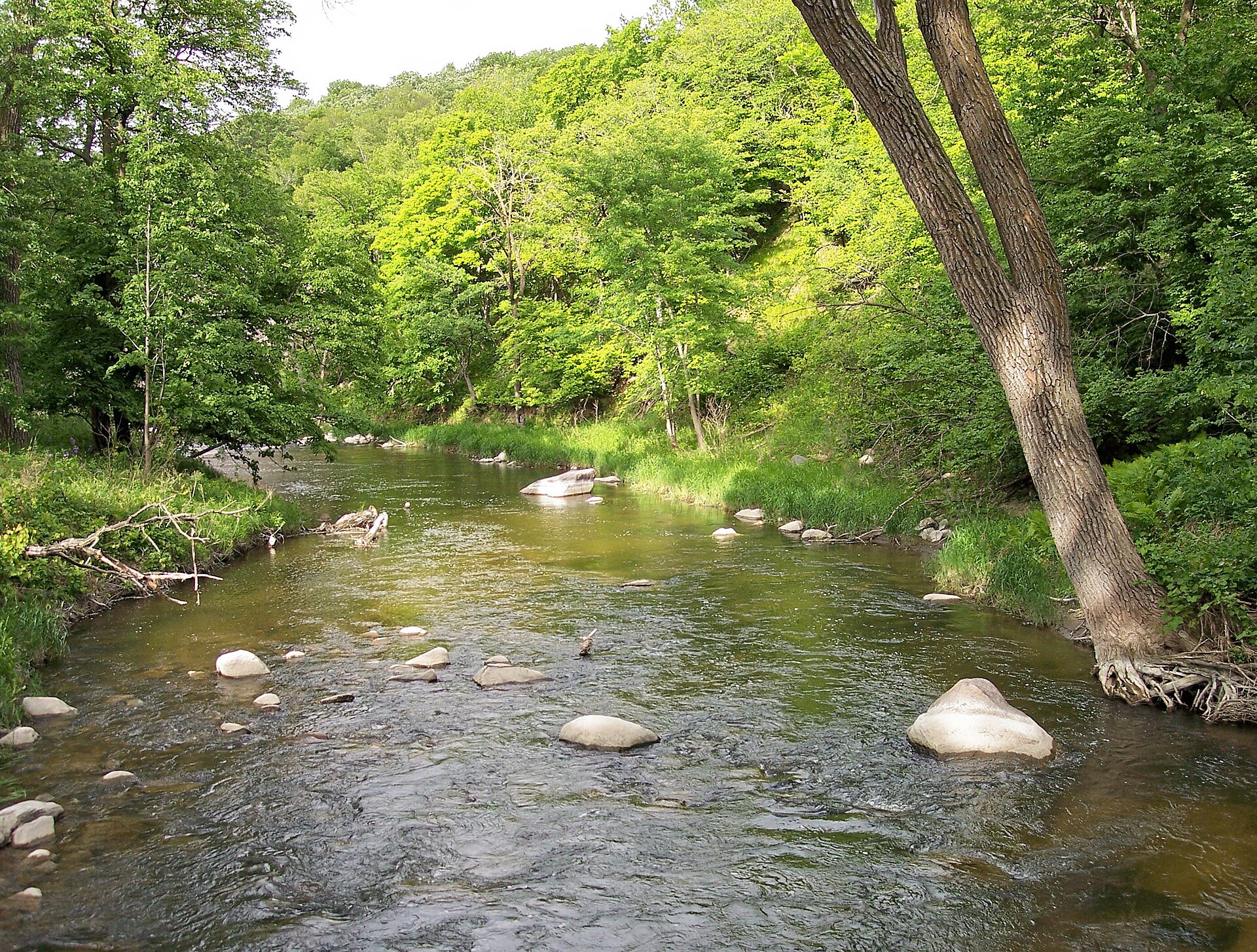
Camden State Park
State Park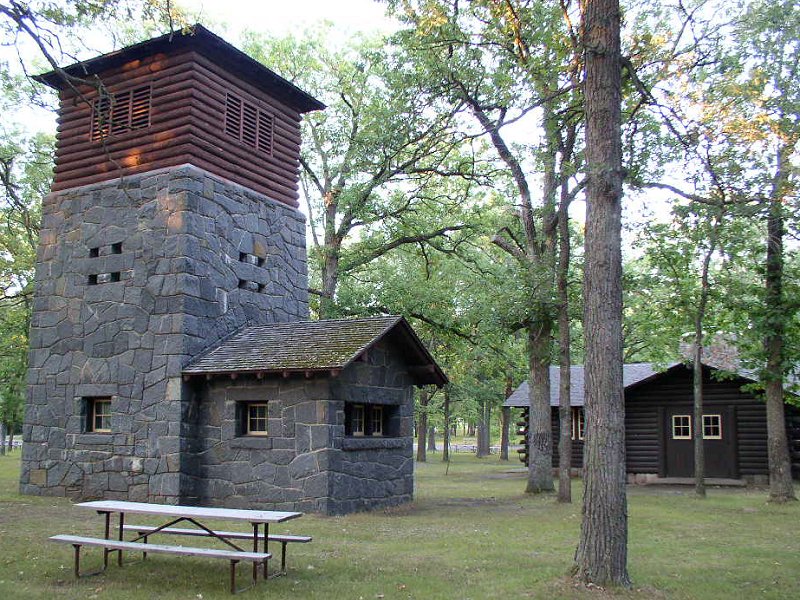
Charles A. Lindbergh State Park
State Park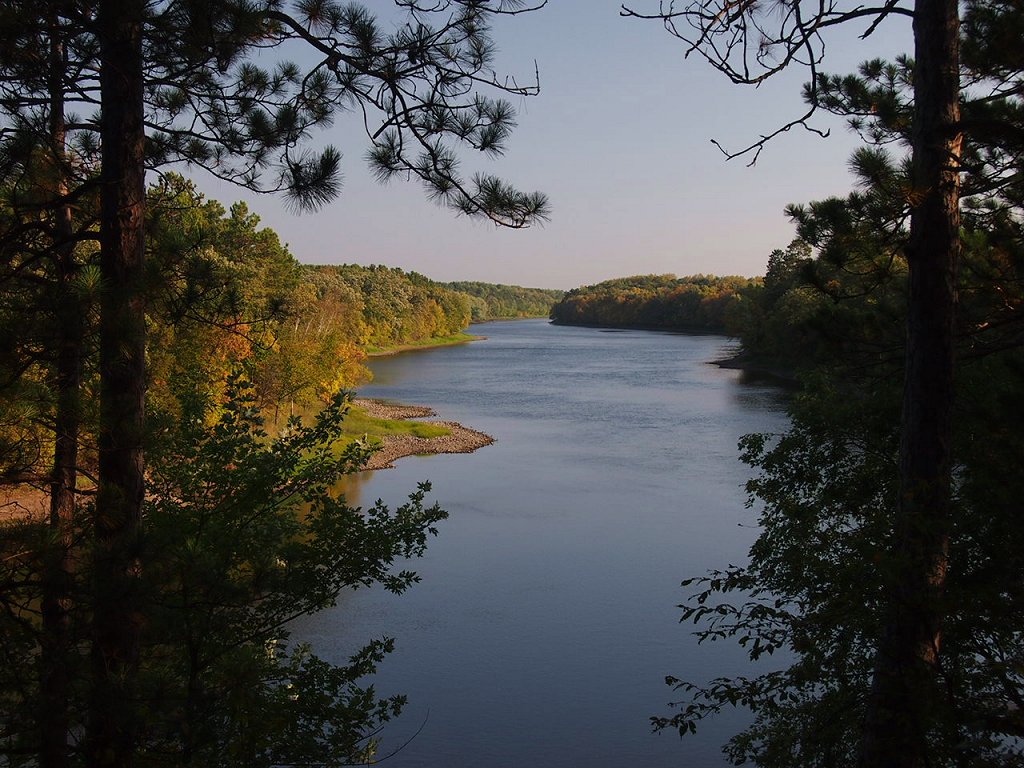
Crow Wing State Park
State Park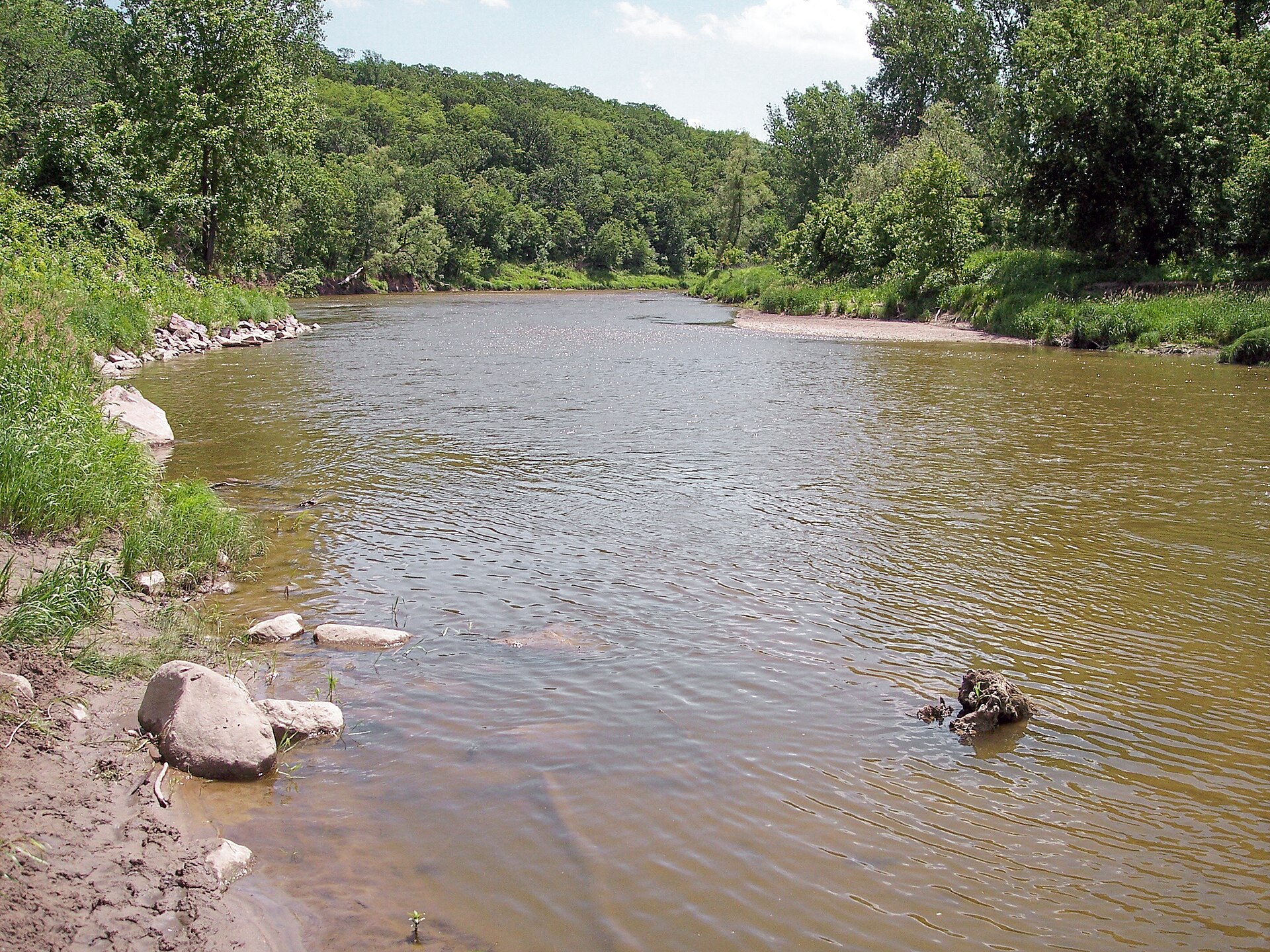
Flandrau State Park
State Park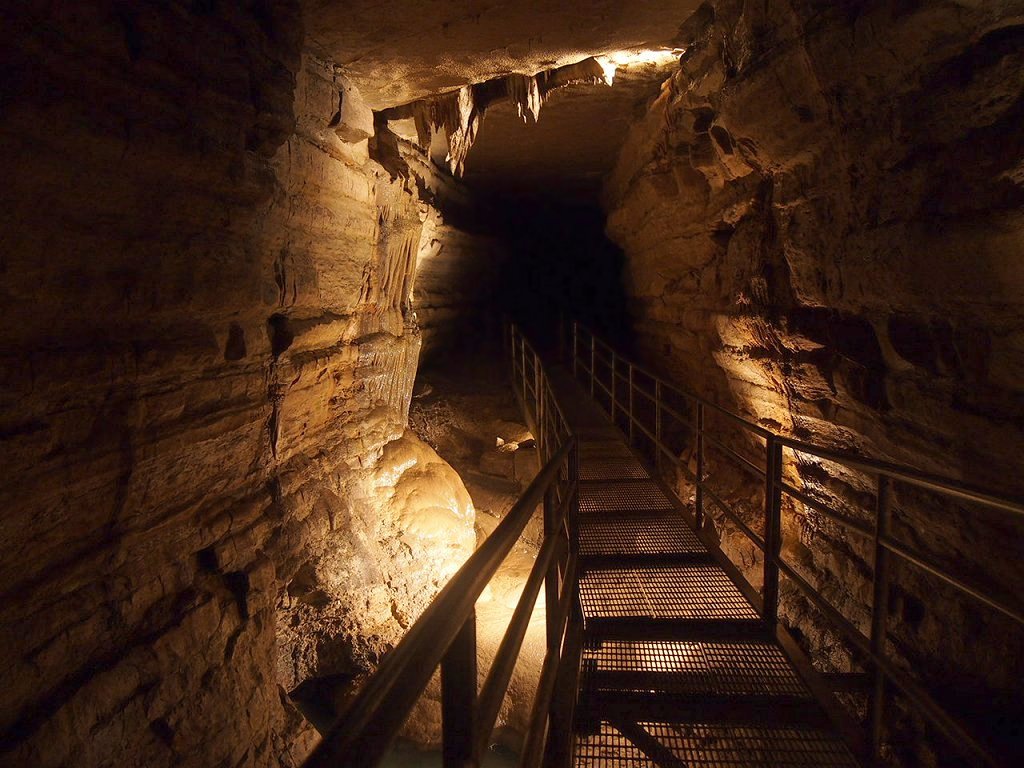
Forestville Mystery Cave State Park
State Park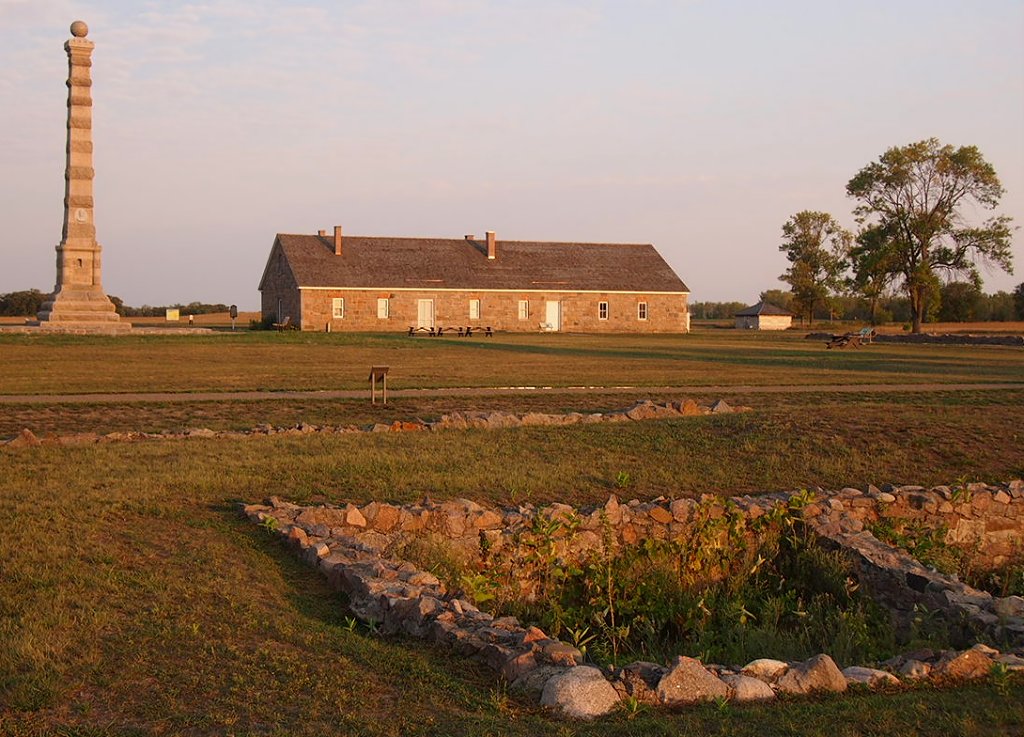
Fort Ridgely State Park
State Park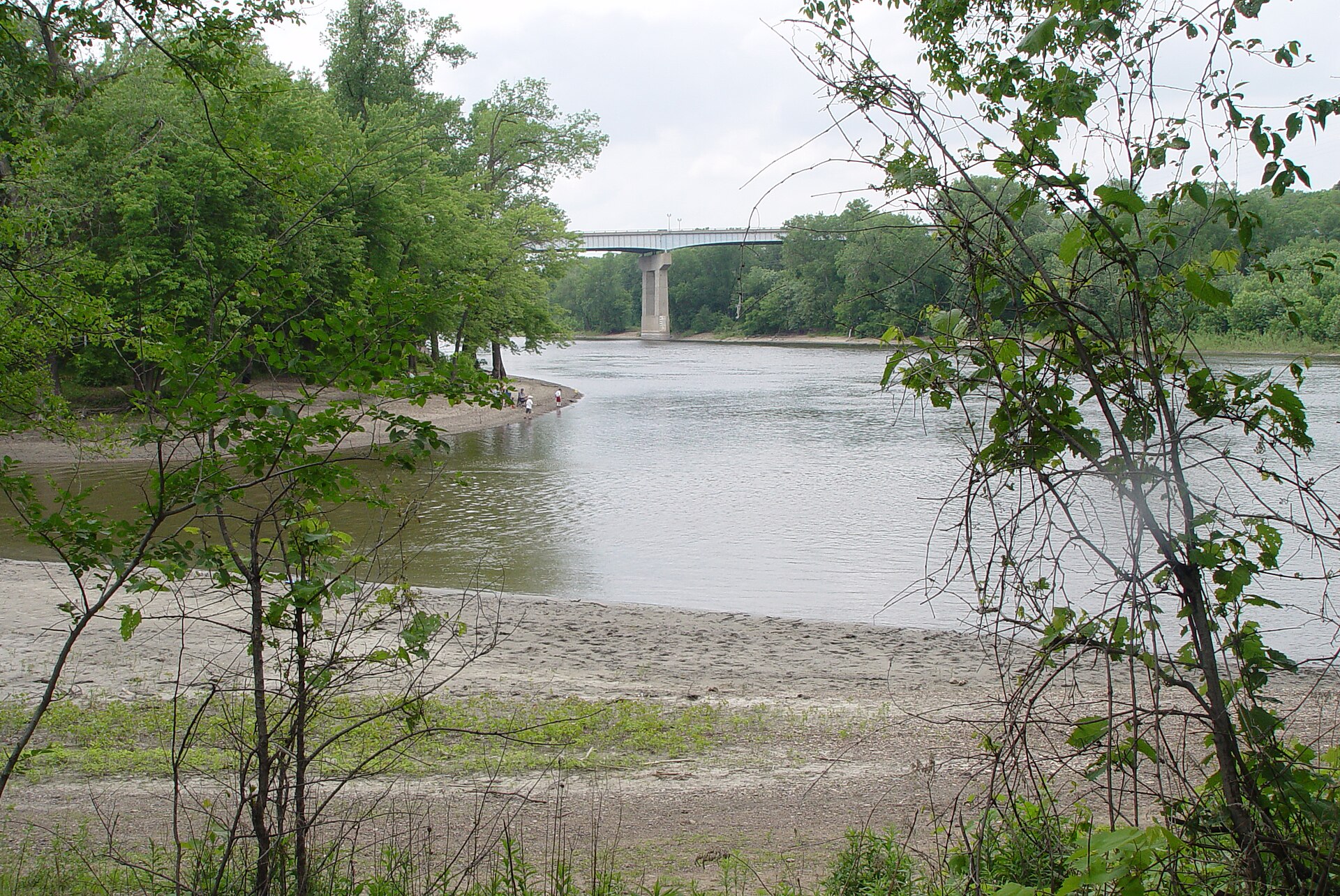
Fort Snelling State Park
State Park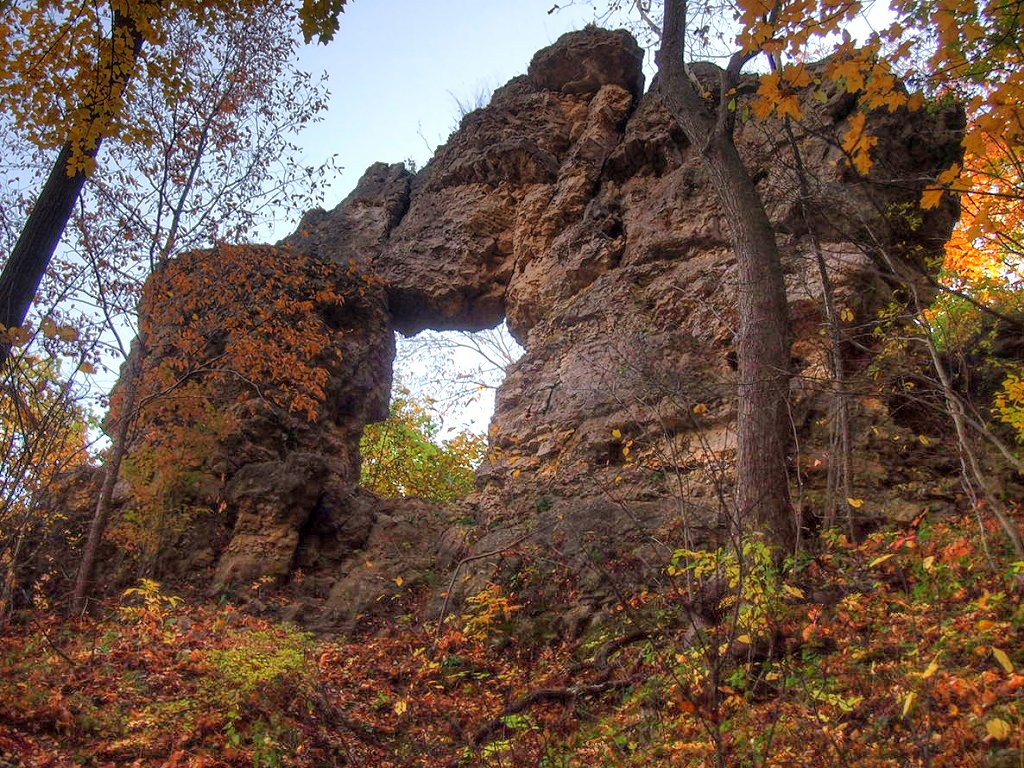
Frontenac State Park
State Park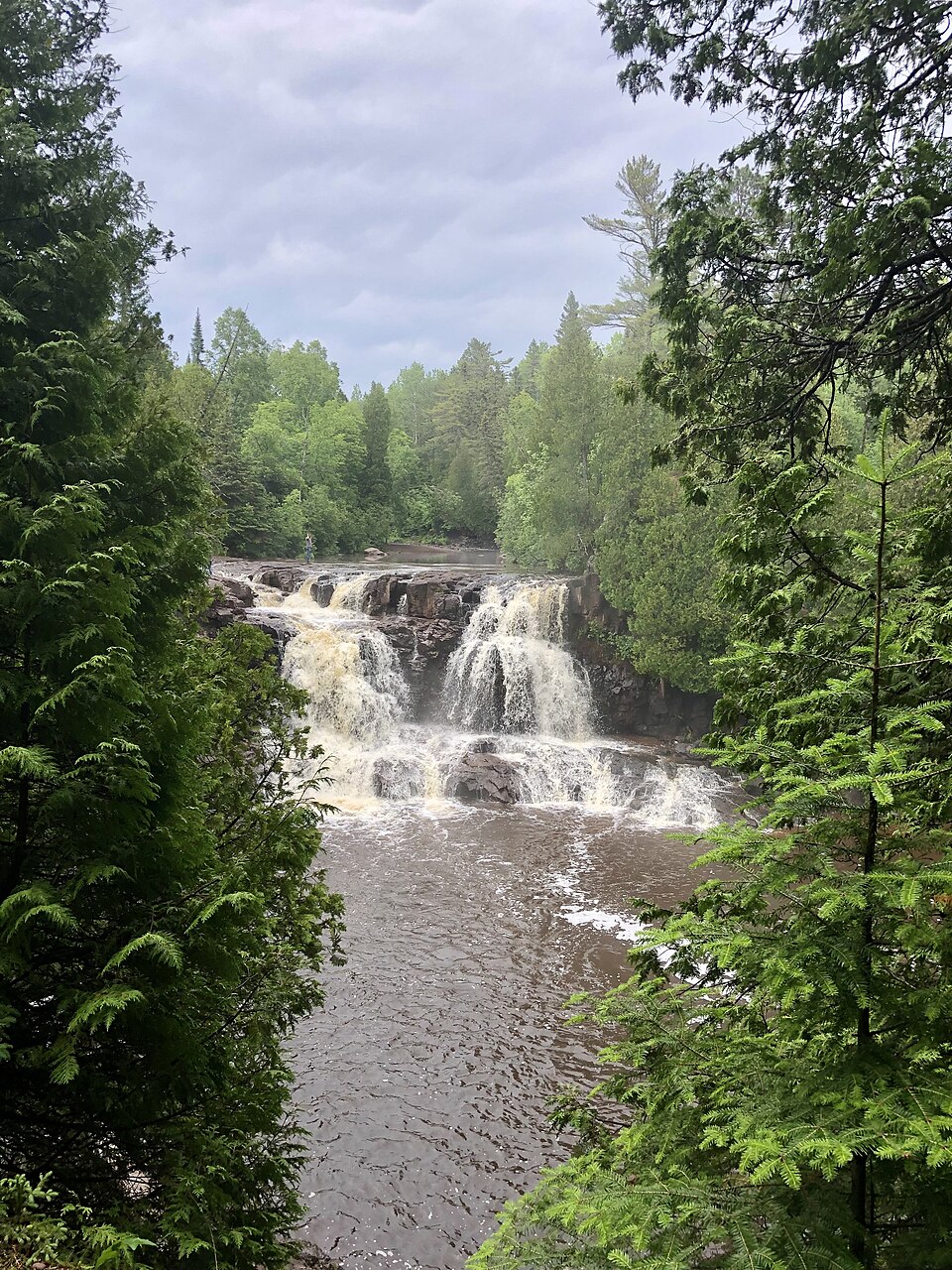
Gooseberry Falls State Park
State Park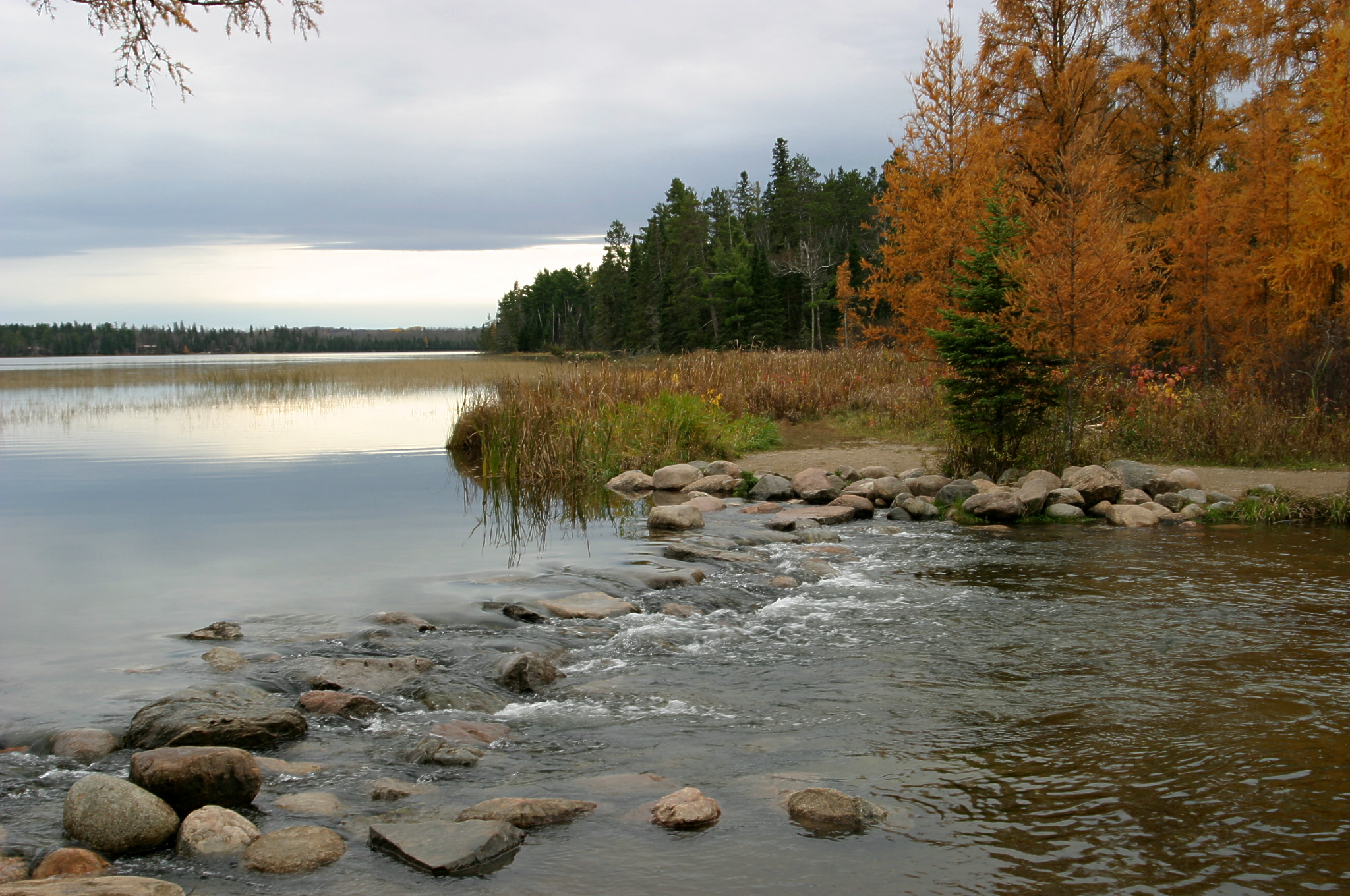
Itasca State Park
State Park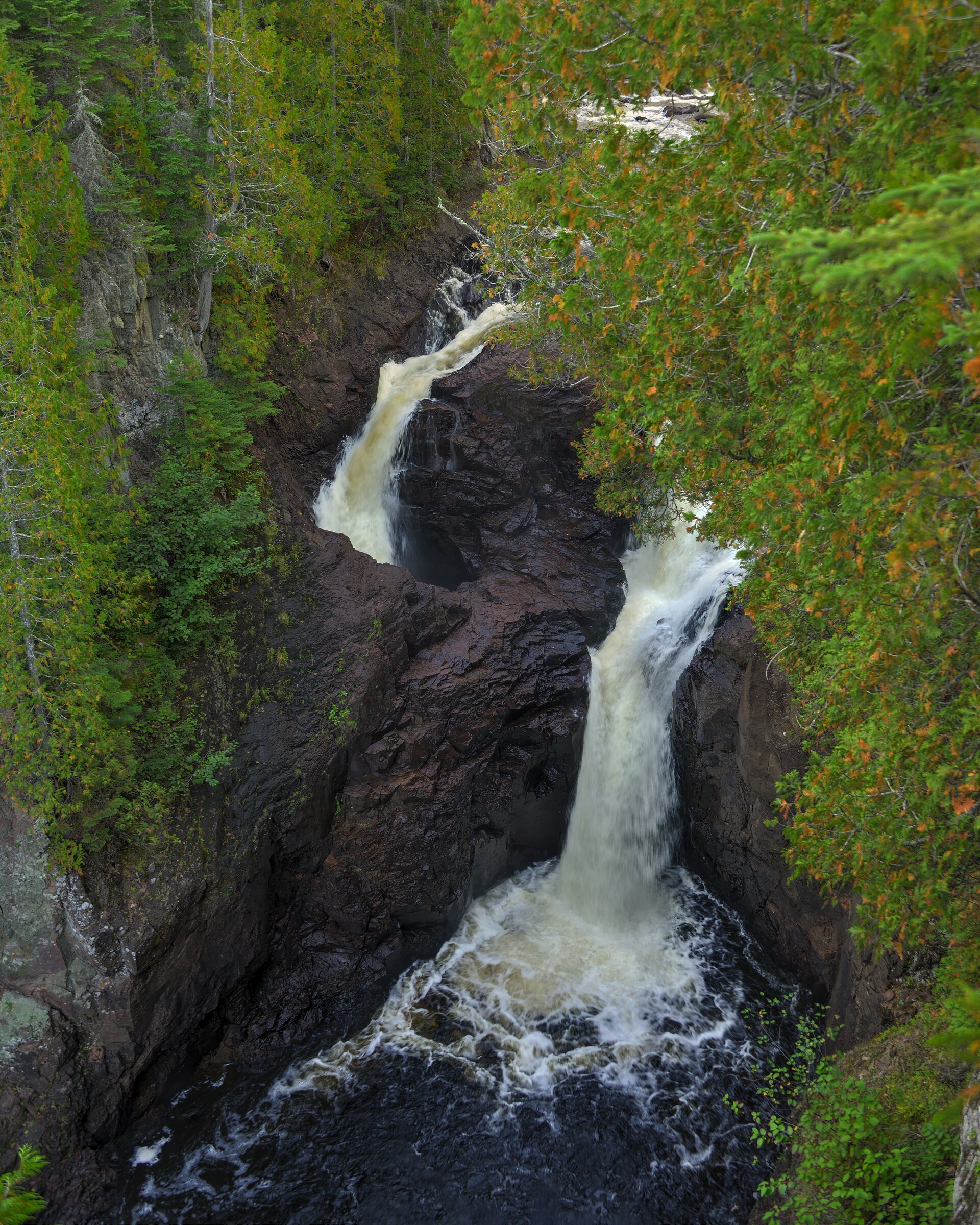
Judge C. R. Magney State Park
State Park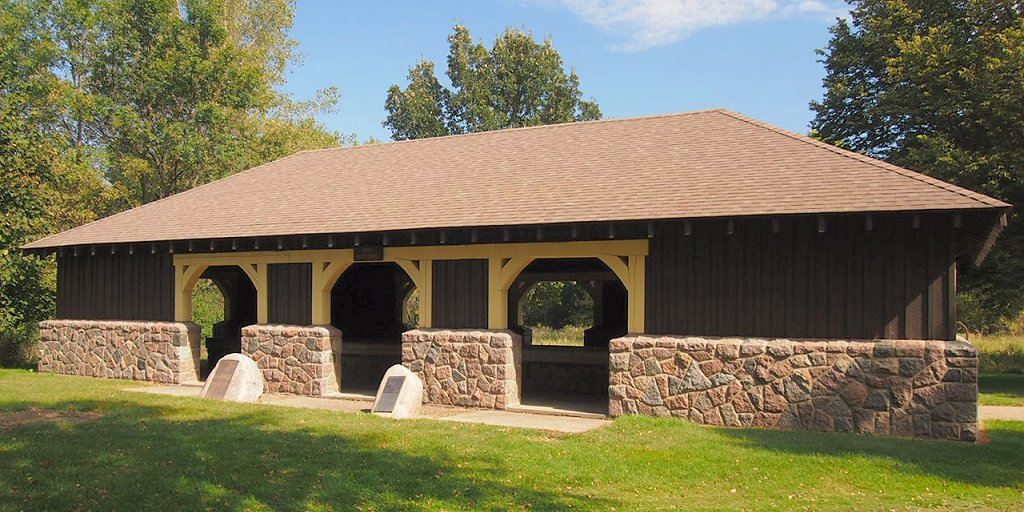
Lac qui Parle State Park
State Park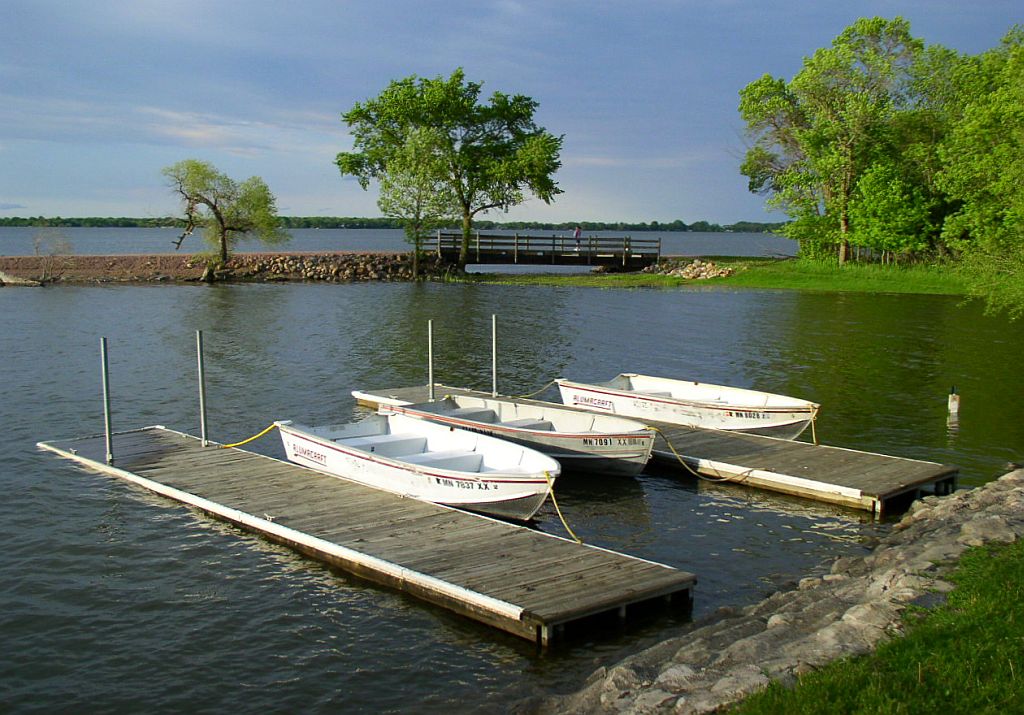
Lake Shetek State Park
State Park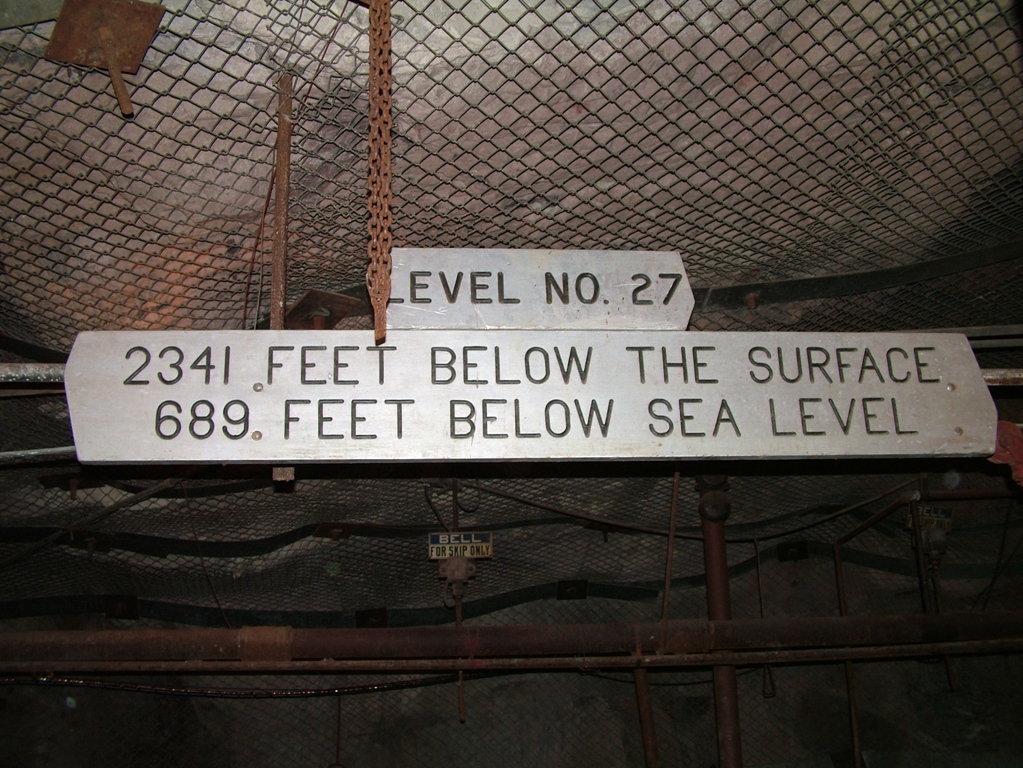
Lake Vermilion-Soudan Underground Mine State Park
State Park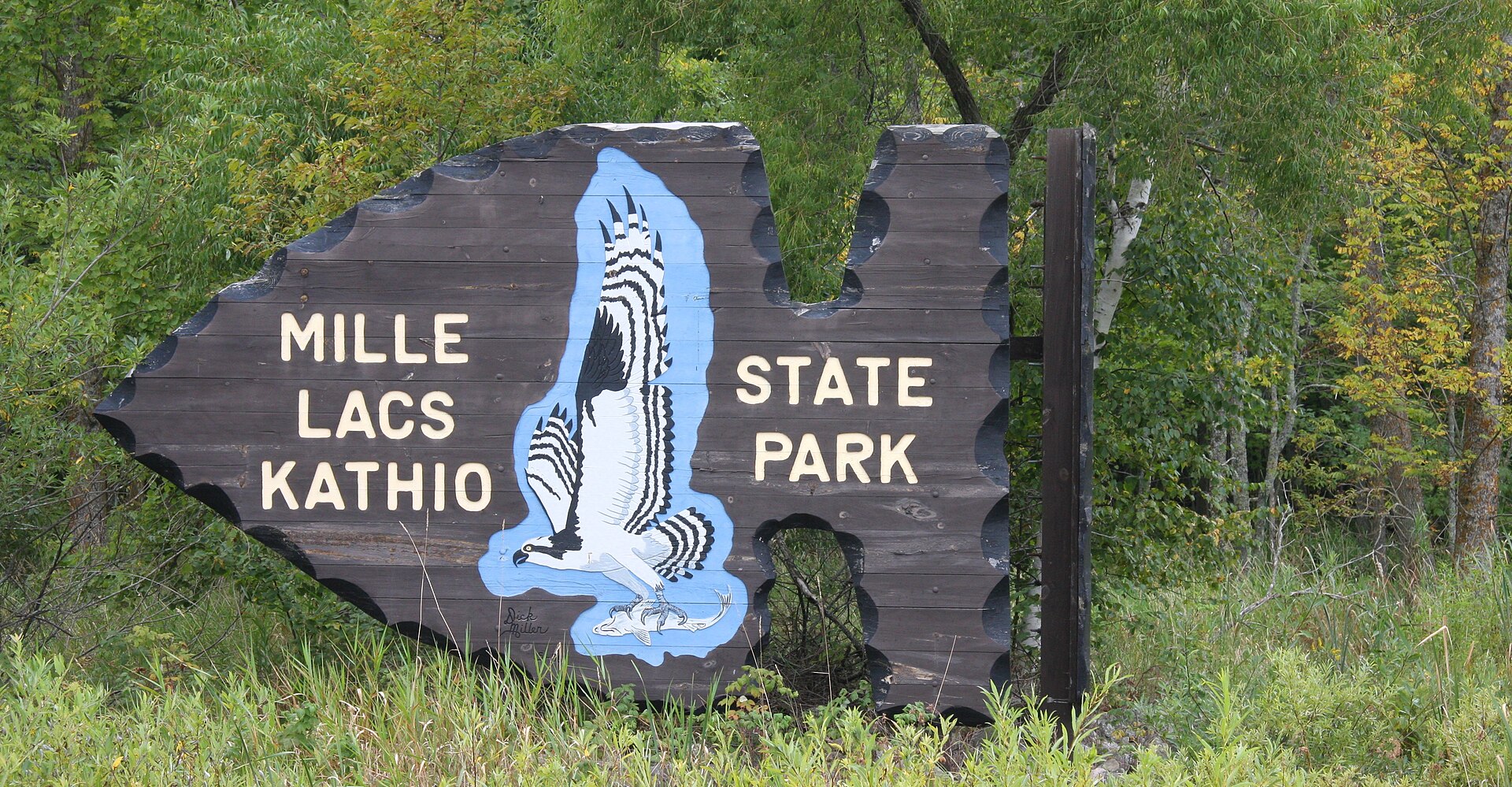
Mille Lacs Kathio State Park
State Park
Minneopa State Park
State Park
Old Mill State Park
State Park